A cardiac stress test is a medical procedure used to evaluate how well your heart works when you exercise or are under medication-induced stress to assess blood circulation, rhythm, function, and tolerance. Understanding what not to do before a stress test is essential because certain foods, drinks, medications, and activities can affect the accuracy of your results. The test is helpful in diagnosing heart diseases and other cardiovascular conditions.
Many patients who have scheduled the procedure want to know what to avoid before a stress test. Preparations are essential since the test results are sensitive to various factors, such as eating, caffeine intake, and drugs. It is important to adhere to the restrictions advised by a doctor, as ignoring them can make the results inaccurate or stop the procedure from happening. Even everyday activities like exercising or drinking coffee can interfere with your body’s response if they should be avoided before a stress test.
Depending on your situation, a doctor may give you different instructions for preparation before a stress test. It is significant to pay attention to them and ask questions if something is unclear. Remember that recommendations may vary from one patient to another based on specific factors like medications taken, health status, and the type of the test being taken. Knowing what to do and what not to do before a stress test can help you get accurate results.
What Is a Stress Test?
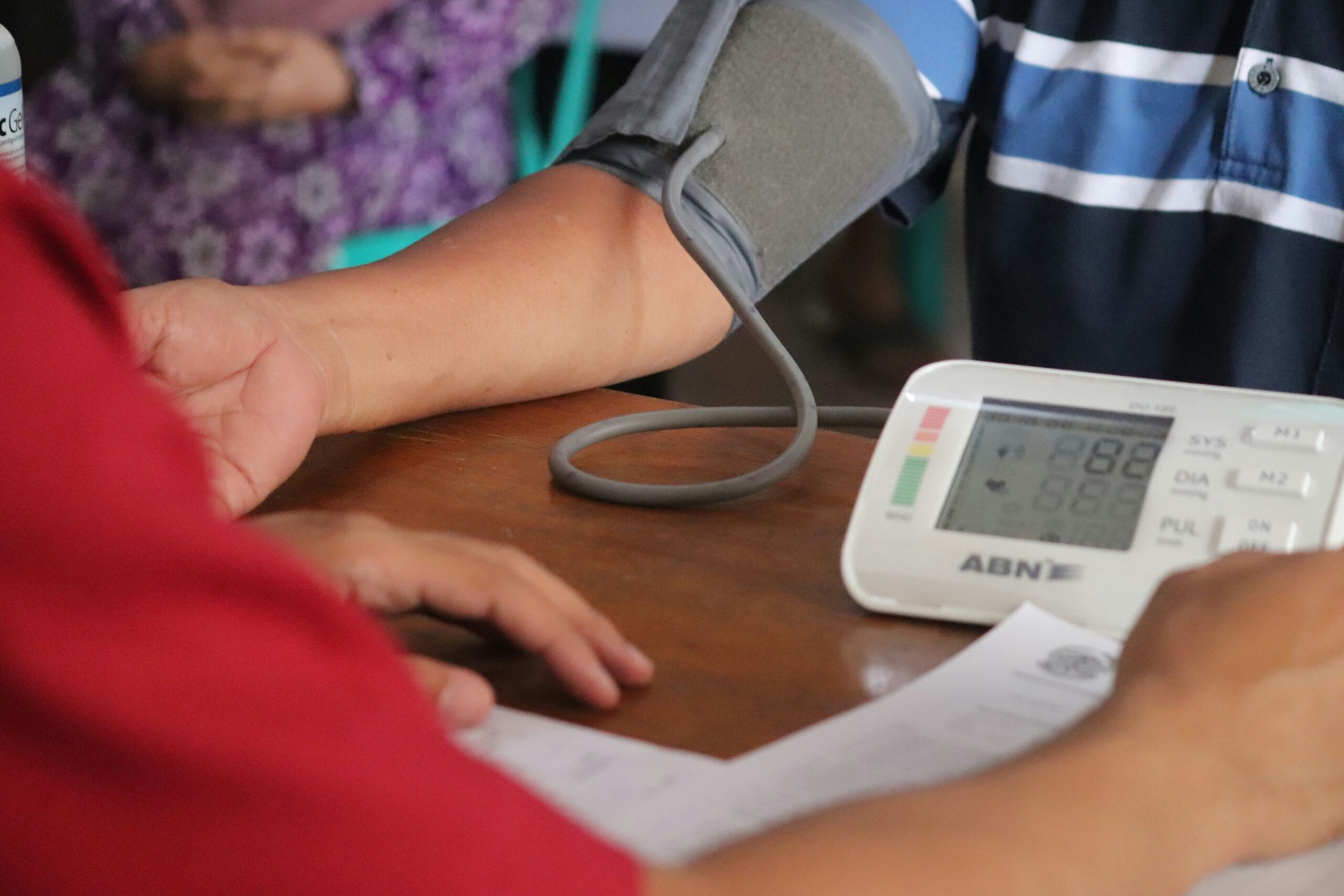
A stress test, also called an exercise stress test or cardiac stress test, is used to determine how the heart reacts to increased levels of physical activity. The test can be performed on a treadmill or a stationary bike, during which the heart’s rate and rhythm, blood pressure, breathing patterns, and other vital signs are evaluated.
In some cases, the patient is unable to engage in physical activity due to various medical reasons. A pharmacologic stress test involves the use of special medications that cause the heart to react as if they were exercising.
Physicians recommend a stress test for several reasons, including:
- Assessment of the heart during chest pain or discomfort
- Evaluation of shortness of breath experienced during physical activity
- Diagnosis of coronary artery disease, one of the most common causes of reduced blood flow to the heart that can trigger chest pain during physical activity.
- Monitoring the condition of the heart before, during, and after treatment
- Establishing the level of physical activity that is safe for the patient
- Assessment of abnormal heart rhythms. Patients diagnosed with cardiac arrhythmia may undergo stress testing to evaluate how exercise affects their heart rhythm and overall cardiac function.
Screening for cardiovascular diseases or determining the fitness level in some cases.
The above information highlights the importance of knowing what not to do before a stress test, as it can give an accurate indication of the functioning of the heart.
Why Preparation Matters
- Proper preparation is an important part of the testing process. Things like caffeine, nicotine, heavy meals, alcohol and some medications can temporarily affect heart rate and blood pressure.
- If you don’t prepare properly you could get inaccurate results or have to reschedule your test.
- Following the instructions given to you about what not to do before a stress test will help ensure that nothing else effects your heart.
What Not to Do Before a Stress Test
Do Not Eat a Large Meal Before the Test
A heavy meal can make exercise uncomfortable and could also affect the test results. Many medical professionals advise to eat only light meals for a few hours before your test. Certain heart stress tests require being on an empty stomach, while others allow eating a small meal. It is important to follow the instructions given to you for your specific test.
Do Not Drink Caffeinated Beverages Unless Your Provider Says They Are Allowed
One of the most common recommendations regarding what not to do before a stress test is avoiding caffeine.
Caffeine is found in:
- Coffee
- Tea
- Energy drinks
- Many soft drinks
- Chocolate
- Some headache medications
Caffeine can temporarily affect heart rate and may interfere with certain types of stress tests, particularly nuclear stress tests that use medications to increase blood flow.
Do Not Smoke or Use Tobacco Products
Smoking or using any form of nicotine before a test may increase the heart rate and blood pressure and decrease the amount of oxygen in the heart.
Your provider will inform you if you should stop smoking for a while before the procedure.
Do not drink alcohol
Drinking alcohol may have adverse effects on the heart, such as irregular heartbeats, high blood pressure, dehydration, and many more.
Therefore, refraining from drinking alcohol before undertaking a stress test is essential.
Do not do strenuous exercises beforehand
Even though the stress test monitors how well the body responds to physical activity, it is unhealthy to engage in vigorous exercises right before the scheduled time.
It is best to avoid working out on the day of the procedure. If you are uncertain, it is advisable to speak with your healthcare provider.
Do not wear unsuitable clothing
- It is unhealthy to undertake a stress test in restrictive clothing.
- Instead, put on comfortable clothes and non-skid shoes. You can also wear clothing designed for workouts or athletics.
- Another thing to avoid when preparing for a stress test includes skipping or changing drugs. Some medications, for instance, may interfere with heart rate or cause abnormal blood pressure if taken during a test.
- Thus, it is essential to speak with your physician and inform them of the drugs you take.
- On the other hand, it is not advisable to stop taking the medication unless your healthcare provider tells you to do so.
- Another thing to avoid when preparing for a stress test is showing up when dehydrated.
- Even though you may get directions on what to eat or drink before the procedure, it is best to ask your doctor if drinking water is safe before the test.
- Finally, do not fail to give vital information to the healthcare provider.
- Before the test, make sure you give the necessary information such as the list of drugs you are taking, allergies, and other crucial details.
- The above information is essential for a healthcare provider since it helps them devise the best treatment plan accordingly.
Foods and Drinks to Avoid Before a Stress Test
Depending on the type of test, your healthcare provider may recommend avoiding:
- Coffee
- Decaffeinated coffee if instructed
- Black tea
- Green tea
- Cola beverages
- Energy drinks
- Chocolate
- Large meals
- Alcohol
Always follow the specific instructions provided by your healthcare team, as recommendations vary depending on the type of stress test being performed.
Medications That May Require Special Instructions
Not everyone needs to stop medications before a stress test, but some drugs can affect heart performance during testing.
Examples include:
- Certain beta-blockers
- Some calcium channel blockers
- Nitrate medications
- Certain heart rhythm medications
Do not discontinue any medication unless your healthcare provider specifically instructs you to do so.
If you are uncertain whether to take your morning medications, contact the medical office before your appointment.
What You Should Bring
Preparing properly involves more than knowing what not to do before a stress test. You can also explore our heart health guides for more expert information on cardiovascular tests, symptoms, prevention, and healthy lifestyle habits.
Bring:
- A list of current medications
- Photo identification
- Insurance information if needed
- Comfortable walking shoes
- Water if permitted afterward
- Any requested medical records
Arriving a little early allows enough time to complete paperwork and ask questions before testing begins.
What Happens During the Test?
Once electrodes are positioned on the chest, the healthcare provider checks the heart’s rhythm during the exercise or medication administration.
The medical team observes the following during the exercise stress test:
- Increased workload on the treadmill or bicycle
- Heart rate
- Blood pressure
- ECG (electrocardiogram)
- Symptoms
- Breathing
The medical team will stop the test when the target heart rate is reached, symptoms occur, or the medical professional determines that sufficient data has been gathered.
Common Mistakes People Make Before a Stress Test
Many preparation mistakes happen simply because people are unaware of the instructions.
Common examples include:
- Drinking coffee on the morning of the test
- Smoking before arriving
- Eating a large breakfast
- Wearing sandals or dress shoes
- Forgetting to mention medications
- Exercising intensely beforehand
- Stopping medications without medical advice
- Arriving late because preparation instructions were misunderstood
Reviewing your appointment instructions the day before the test can help avoid these issues.
When Should You Contact Your Healthcare Provider?
Contact your healthcare provider before the appointment if you:
- Develop a fever or acute illness
- Experience worsening chest pain
- Have severe shortness of breath
- Are unsure whether to take your medications
- Accidentally consume caffeine when instructed not to
- Miss important preparation instructions
Your healthcare provider can advise whether the test should proceed or be rescheduled.
Conclusion
Understanding what not to do before a stress test is essential to ensure that this procedure yields accurate results. For instance, one should avoid consuming caffeine, using tobacco, and drinking alcohol. In addition, eating a heavy meal, engaging in strenuous physical activity, and taking prohibited medication should also be avoided before the test. Moreover, patients are required to consult with their healthcare providers about any changes in their medication dosage or other instructions.
This is so because the instructions are usually dependent on the type of diagnostic procedure as well as each individual’s medical needs. Moreover, being well informed before undertaking the stress test can help one achieve desirable results and also ensure that the test is performed safely.
Frequently Asked Questions:
1. Can I drink water before a stress test?
In most cases, you can drink small amounts of water before a stress test, but the exact instructions may vary depending on the type of test being performed.Therefore, it is better to follow the recommendation of your healthcare provider.
2. Is it possible to have coffee before a stress test?
It is better to avoid caffeine before a stress test because it can increase the effects on the heart and blood pressure, interfere with the function of specific drugs, and thus affect the test results, especially when it comes to nuclear stress tests.
3. Should I take my medications before a stress test?
Make sure to take all the medications that your healthcare provider tells you to take before the test. Do not discontinue the medications for the heart condition without consulting your doctor.
4. What should I wear before a stress test?
A stress test requires you to perform physical activity, such as walking or running. Therefore, make sure to wear comfortable clothes and shoes that allow you to move freely.
5. Can I exercise before my stress test?
It is not recommended to engage in strenuous activities before a stress test. Doing so might make you tired, especially if you are not used to exercising.
6. How long does a stress test take?
The duration of a stress test varies from patient to patient depending on the type of test that is going to be conducted. Although the actual time spent on testing can range from 10 to 15 minutes, the entire process may take significantly longer.
7. If I drink something with caffeine before a stress test, what should I do?
If you have consumed caffeine before the test by mistake, it is better to contact the facility where you are suppose to have the test, as you might need to re-schedule it depending on the type of the stress test.