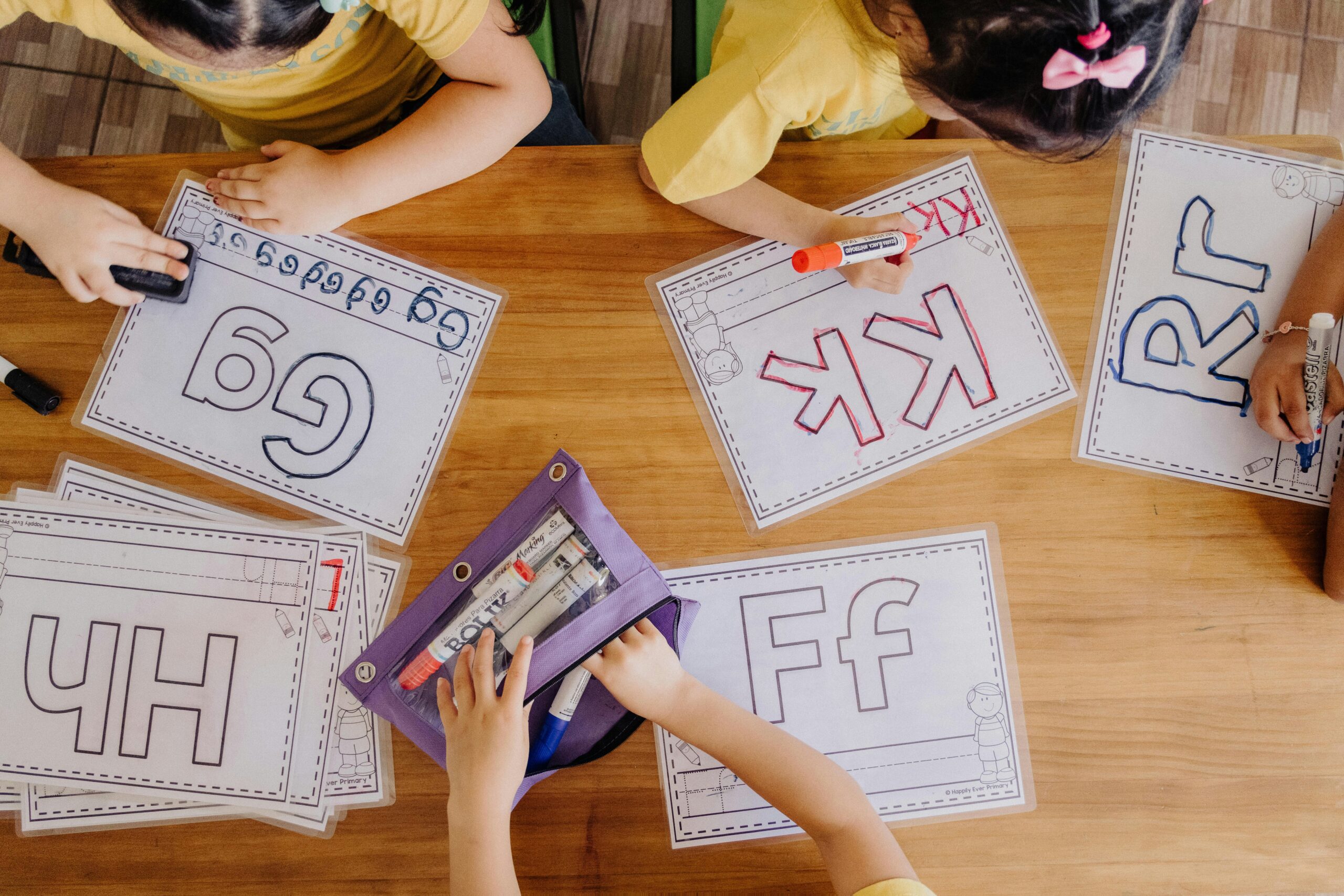
The day a child starts kindergarten is one of the biggest steps in a young person’s educational journey. For most, getting ready for this step comes in the form of picking out classroom essentials, perhaps shopping for a cool new backpack, or finding the perfect outfit for the first day. But one of the first questions most parents will wonder is what is the correct age for kindergarten?
While there isn’t one set answer as to the correct kindergarten age, and it really depends on where the parents are and which school district their child will be attending, many will enter kindergarten around 5 years of age while others may not begin kindergarten until they are 6.
Parents must also take into consideration their child’s readiness to begin school. In this post we explore all of the most important facts regarding kindergarten age including school readiness, kindergarten cutoff dates and the benefits of beginning kindergarten at each age. You’ll also find answers to some commonly asked questions about the correct age for kindergarten.
What Is Kindergarten Age?
I believe the appropriate age to start kindergarten is a determined by the particular school system your child is attending. In most cases, the typical age for starting kindergarten is at five years old. Generally, school districts have a cutoff date for when children must be five to start attending the school year.
For instance, there may be a date when they expect the child to have already turned five by then, while another area might set it for once the child has reached that age.
The district has their own criteria in determining the cut off dates. You will want to call your school district and ask about enrollment cut off dates and age requirements since they will vary based on your locality. This will give you the proper guidelines.
Why Kindergarten Age Varies Across States
One cause of parents’ confusion as to when their child is eligible to begin kindergarten is because there is no “national” deadline for entry into the school system. Each state, however, has its own policies on: age of kindergarten enrollment date on which to be birthday cut off for kindergarten early admission special conditions for kindergarten delay of admission There is a range in states, for instance, from August 31 to September 1 as cut-off for birthdays, and it’s possible even September 30 to December 1. There may also be special provisions within certain school districts for when a student demonstrates sufficient cognitive/social readiness to be enrolled earlier than the cut-off date.
Typical Kindergarten Age by School Year
The following table provides a general overview.
| Child’s Birthday | Typical Kindergarten Start |
| Turns 5 before local cutoff | Eligible that school year |
| Turns 5 shortly after cutoff | Usually waits until the following year |
| Already 6 years old | Usually enters kindergarten or first grade depending on previous education |
This is only a general guideline because enrollment rules differ by location.
School Readiness Matters More Than Age Alone
Even though kindergarten is an age identifier, what it is readiness in terms of in terms of are of interest to the kindergarten teacher are developmental aspects of a childs readiness. Oldness simply doesn’t dictate the child is ready to learn. Kindergarten is not a “play school” at kindergarten there is expected that there is progress developmentally through academic and socialization curriculum.
A teacher can tell whether a child is ready or not.
Kindergarten readiness skills are determined by maturity in many different developmental areas, not just by a certain date.
Social and Emotional Readiness
Children who are entering kindergarten should be able to
- follow simple classroom routines
- share with their peers
- wait their turn
- listen to the adults
- be emotionally controlled
- separate from their parents
I believe that emotional control is the most important skill for a child to have when they start school.
Language Development
Most kindergarten classrooms teach children to:
- Talk in whole sentences
- Ask and answer questions
- Follow two- or three-step directions
- Know some common words
- Take turns talking
- Having strong communication skills makes it much easier for the child in the classroom.
Academic Skills
While they will continue learning, kindergarten is meant to be an introduction to formal education. They do not require the children to have learned everything prior to kindergarten, but most educators feel that they should have an understanding of:
- Letters
- Numbers
- Shapes
- Colors
- Counting
- Knowing their name
- Students are not expected to be able to read at this age yet.
Physical Development
There are some kindergarten requirements involving fine and gross motor skills such as:
- Holding pencils correctly
- Using scissors
- Running and jumping
- Buttoning shirts
- Washing hands on their own
- These are all necessary skills for school.
Should you redshirt your child?
- Others believe children should delay kindergarten by one year. They call this process of holding your child out from kindergarten “redshirting.” That’s when you wait to send your child to kindergarten even though they’ve met the kindergarten cutoff age.
- This process can happen because you are considering any of the following for your child.
- They need more time to grow: Your child still has some growing up to do. They are being delayed because they fall on the late side of a birthday cut off for kindergarten eligibility. They require another year of preschool. For many families, redshirting is a personal choice.
- However, it may not always be the right choice for every child.
Potential Benefits of Waiting
For some children, delaying kindergarten may provide:
Increased Confidence
Older children sometimes feel more comfortable participating in classroom discussions and activities.
Improved Emotional Regulation
An additional year can help children develop patience, self-control, and independence.
Better Physical Coordination
Some children gain stronger motor skills before beginning structured classroom learning.
Possible Drawbacks of Delaying
Waiting an extra year may also have disadvantages.
For example:
- Children may become bored if preschool no longer challenges them.
- They graduate from high school one year later.
- Friend groups may differ from neighborhood peers.
- Academic readiness could exceed kindergarten expectations.
The best decision depends on the individual child rather than age alone.
Signs Your Child Is Ready for Kindergarten
Instead of focusing exclusively on birthday dates, parents should look at the whole child.
Positive readiness indicators include:
Independence
Children can:
- Dress themselves
- Use the bathroom without assistance
- Clean up after activities
- Carry their own backpack
Ability to Follow Instructions
Kindergarten classrooms involve listening carefully to teachers and completing multi-step directions.
Curiosity About Learning
Many kindergarten-ready children enjoy:
- Looking at books
- Asking questions
- Exploring new ideas
- Participating in educational games
Positive Social Interaction
Playing cooperatively with other children often predicts smoother classroom adjustment.
What Happens During Kindergarten?
Parents sometimes wonder what children actually learn after reaching kindergarten age.
Modern kindergarten focuses on building foundational academic and life skills.
Children commonly learn:
Reading Readiness
Students begin recognizing:
- Letters
- Sounds
- Sight words
- Basic reading strategies
Teachers often use songs, storytelling, and interactive activities to develop literacy.
Early Mathematics
Lessons typically include:
- Counting
- Number recognition
- Simple addition concepts
- Shapes
- Patterns
- Measurement
Math instruction is usually hands-on and play-based.
Science and Discovery
Children explore:
- Weather
- Plants
- Animals
- Seasons
- Simple experiments
These lessons encourage observation and curiosity.
Social Skills
Kindergarten helps children develop:
- Teamwork
- Respect
- Problem-solving
- Responsibility
- Classroom routines
These skills support lifelong learning.
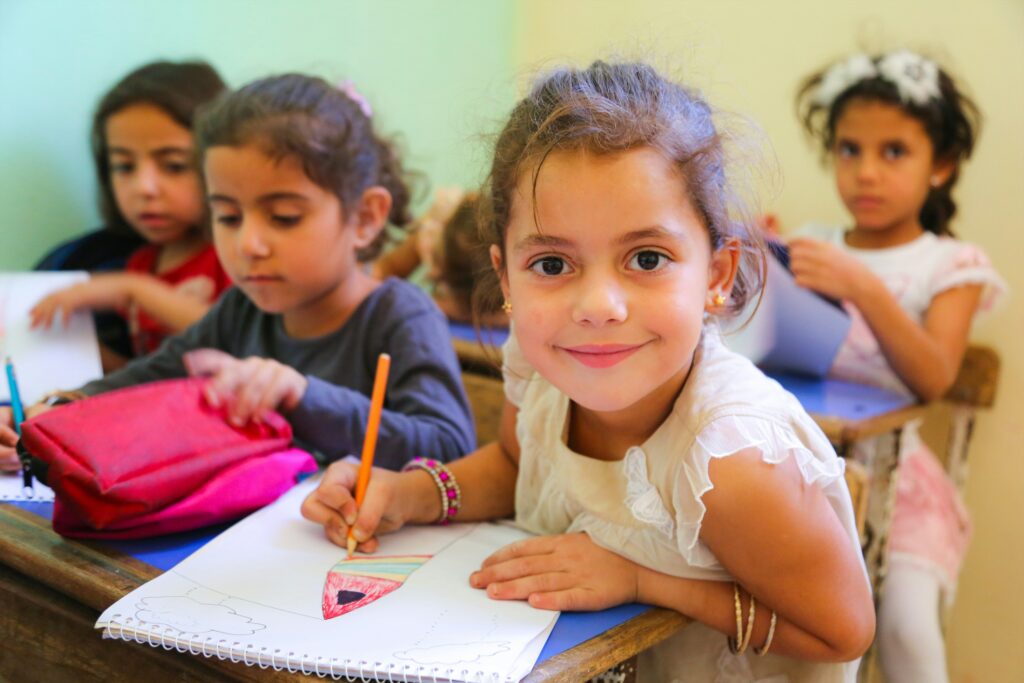
Public vs. Private Kindergarten Age Requirements
Parents should understand that enrollment policies can vary depending on the type of educational institution.
Public schools typically follow state guidelines for kindergarten eligibility, whereas private institutions may have more flexibility and assess each applicant’s readiness for school through interviews or evaluations.
However, many private schools also suggest enrolling children around the age of five.
Can Children Start Kindergarten Early?
Some exceptionally advanced children qualify for early entrance.
Schools that allow early admission often require:
- Academic assessments
- Developmental evaluations
- Parent interviews
- Teacher recommendations
Approval is usually reserved for children who demonstrate readiness across multiple developmental areas—not just advanced academic skills.
How Preschool Helps Before Kindergarten
Although preschool is not always required, many children benefit from attending before reaching kindergarten age.
Quality preschool programs introduce:
- Classroom routines
- Group activities
- Early literacy
- Basic math
- Social interaction
- Independence
Children often enter kindergarten with greater confidence after experiencing structured learning environments.
Common Misconceptions About Kindergarten Age
Many myths continue to circulate among parents.
Myth 1: Every Child Must Start at Age Five
Eligibility depends on state laws and birthday cutoffs.
Myth 2: Children Must Already Know How to Read
Most kindergarten teachers expect children to begin learning reading skills during the school year.
Myth 3: Older Always Means Better
While maturity can help, every child develops differently. Some younger children thrive academically and socially.
Myth 4: Readiness Is Only About Academics
Social, emotional, physical, and communication skills are equally important.
How Parents Can Prepare Children Before Kindergarten
Preparation doesn’t require formal lessons every day.
Simple everyday activities often make the biggest difference.
Parents can:
- Read together daily.
- Encourage imaginative play.
- Practice recognizing letters and numbers naturally.
- Build independence through daily routines.
- Visit playgrounds to encourage social interaction.
- Talk positively about school.
- Establish regular bedtime schedules before school begins.
Consistent routines often reduce anxiety during the transition.
Questions to Ask Before Enrolling
Before your child reaches kindergarten age, consider asking your school:
- What is this year’s enrollment cutoff date?
- Is full-day or half-day kindergarten available?
- Does the school conduct readiness screenings?
- What supplies are required?
- Are orientation sessions offered?
- What support services are available if children need extra help?
Gathering this information early makes enrollment less stressful.
The Bottom Line on Kindergarten Age
Age-Based Kindergarten Is Tricky There’s no simple answer to what kindergarten age should be, even though in most states it’s age 5. Kindergarten readiness has a lot to do with when your child has the developmental milestones in language, cognition, social, physical and emotional skills for the classroom. While some children do well and thrive at age 5 for kindergarten enrollment, others might need a bit more time.
It’s really tough to say for every child that one age is ideal.
Your best approach is to discuss your child’s child development milestones with your preschool teacher and, if necessary, your pediatrician and local school district. Don’t get caught up in age alone; the focus should be on kindergarten readiness.
Frequently Asked Questions
1. At what age is a child eligible to enter kindergarten?
The usual age when a child is eligible to enter kindergarten is five years old, but it can be different depending on which area you live in or according to the local schools’ cutoff date of enrollment.
2. Can a four-year-old child enroll in kindergarten?
Some schools offer to enroll students even if they are younger than the cutoff date, but most of them will accept you only when you are five.
3. Should a child be held back if they are not developmentally ready for kindergarten?
It can be helpful for some children to wait for one year before enrolling in kindergarten, but it is not mandatory.
4. Is the age requirement the same in all states?
Since the age requirement for kindergarten varies depending on the state, it is advisable to check the policies established in the local area.
5. Is there anything specific that a child needs to know or be able to do before entering kindergarten?
Before entering kindergarten, children are supposed to be able to communicate with others, follow directions, play independently, do basic things on their own, and be aware of letters, numbers, colors, shapes, and so on.
6. Is preschool a requirement to enter kindergarten?
There is no rule saying that children need to go to preschool before entering kindergarten, but it usually helps them to learn important skills and prepare for the next level of education.
Summary
To a great extent, the Kindergarten age requirement concerns the fact when a kid gets to turn 5. Regardless of the minimum age, a kid needs to get ready for this stage.
However, a child can also advance a little quicker or be more predisposed towards picking up new skills and acquiring knowledge more rapidly.
A child will, therefore, start sooner; other kids might just need more time in order to mature on the socially communicative and overall mental plane. Many assume that by Kindergarten a child has to read and write proficiently, or count. Yet, they are not obligated to know everything; their key qualities and traits should be curiosity, independence, cooperativeness, and a proactive attitude towards studying. Otherwise, it will not be very easy to get them acquainted with this first step of their academic life.
Each child has a unique development pace, so take into consideration Kindergarten age requirements in your country or region and try to get well-informed about the admissions policy in the future Kindergarten of your kids.
If something appears missing in any of the listed traits of your child, speak to a pediatrician, preschool teachers or even administration staff, and learn if your kid might need more preparation for Kindergarten. In any case, it should not be believed that preparing for Kindergarten exclusively means learning to write or read, not counting and so on. And Kindergarten isn’t necessarily a much complicated step as many parents might believe.
Reading books together with your children, helping them play interactive games, engaging them in role-playing activities, working on their motor skills, counting, and encouraging their speech development – all are more effective ways to encourage the kid and prepare for the learning process. Kindergarten age and readiness for it shouldn’t prevent you from enjoying your kid and not comparing their success with other kids, whether they are old or young for the age for this stage of education. It is important to support your children, encourage them and allow them to be themselves.
The time a kid spend in kindergarten should be enjoyable and a great inspiration for a future long study path.
To make a long story short, a kid should start their academic journey from Kindergarten and there is no such thing as Kindergarten age, as kids learn at a different pace and should not feel the urge to conform to anyone’s rules or a specific schedule. It is necessary to acknowledge that each child is a unique personality with its individual tempo of growth, and Kindergarten is just the initial stage of a kids’ education journey, as this journey can be a very long one. The child’s participation in kindergarten can help prepare him for the next step of studies, build his confidence, and inspire him to further studies and activities through helpful education guides.