Automation Changes the Risk Profile
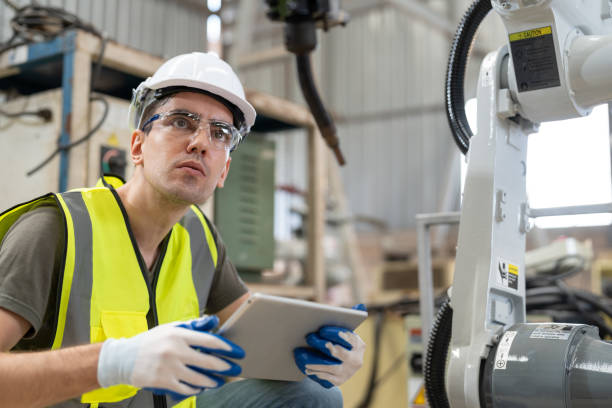
Automated machinery can perform powerful, rapid and repetitive movements with little warning. This combination improves productivity, but requires that dangers be controlled systematically. A machine may continue operating even though no individual is in control of each movement, so a safet cannot rely on an operator noticing the danger in time
Risk Assessment Comes First
Before safety devices are selected and installed, the hazards of the machine and task need to be understood. This includes the production, cleaning, setup, maintenance, fault recovery and unexpected access. Different activities can expose workers to different risks, and a safeguard that protects during normal operation may not protect a technician during maintenance
Safety Devives Need a Purpose
Emergency stops, interlocked guards, light curtains, safety scanners and safety-rated control systems each perform speicifc functions. They should be chosen based on the risk and how people interact with the machine. Adding devices without a coordinated design can create blind spots, or cause operators to bypass inconvenient controls.
Controls Must Work as a System
Machine safety often depends on electrical and automation design as much as physical guarding. AKA Electrical & Automation includes safety systems and control system design among its industrial services, reflecting the need to integrate safeguards with PLC logic, drives, sensors and machine states rather than treating them as separate accessories.
Restart Behaviour Is Critical
An important question is to what happens after a guard has been opened, an emergency stop has been operated or power has been restored. Machinery should not be able to restart whilst there is still a possibility that a person is present in the hazardous area. Reset and restart logic should be deliberately engineered to be understood and appropriate to the machine.
Training supports the engineering controls
Any poorly thought out procedures can vitiate even the best engineered safety management system. Operators need to be aware of the rationale for the application of safeguards, how to stop the equipment in order to carry out maintenance and what is the process for dealing with a fault condition. Maintenance personnel require more detailed information due to their proximity to potentially hazardous energy sources.
Safety and Productivity Are Not Mutually Exclusive
Poorly engineered guards can frustrate a process but good safety engineering takes account of working practice. By designing access, reset and operating procedures into systems it is possible to get the best of both worlds – a reliable production process which does not rely on the constant bypassing of protective measures.