You Do Not Need Flash Cards to Build a Stronger Vocabulary Heightening your vocabulary does not mean memorizing long lists of words or endless study. In fact, for most of the people, easiest and shortest way to learn a language is actually enjoy it.
Merriam Webster games are therefore immensely popular with students, professionals, writers, teachers and word lovers in general for that reason; they found a market niche. Instead of memorizing lists and lists of vocabulary, players play games to learn words and their definitions.
And yes, both of those are funny and educational and spark intrigue in the English language. g from Data To Communications.
Find out what Merriam-Webster games are, how they work, who can play them and how you can optimize your vocabulary by using these free word-based string-bending tools in this guide.
The Core Problem
Many people are looking to improve their vocabulary, but struggle to find an enjoyable way to do it.
Conventional practices can create certain obstacles, including:
Having to memorize words
Forgetting what you’ve learned
Becoming bored with the process
Having little opportunity to apply new words
Struggling to find educational activities
Word games help by providing a fun, engaging way to learn.
Instead of forcing the player to memorize lists of words, they encourage them to think about words, their definitions, spelling, and more.
Why People Search for Merriam-Webster Games
People stumble upon Merriam-Webster games for many reasons.
Some people simply enjoy the daily puzzles, while others are looking to:
Expand their vocabulary
Learn how to spell
Prepare for a standardized test
Learn to write better
Practice English as a second language
Exercise their brains
Improve their reading comprehension
Teachers often recommend them to students as a fun way to practice vocabulary, while parents introduce them to their children as an alternative to mindless games.
What Are Merriam Webster Games?
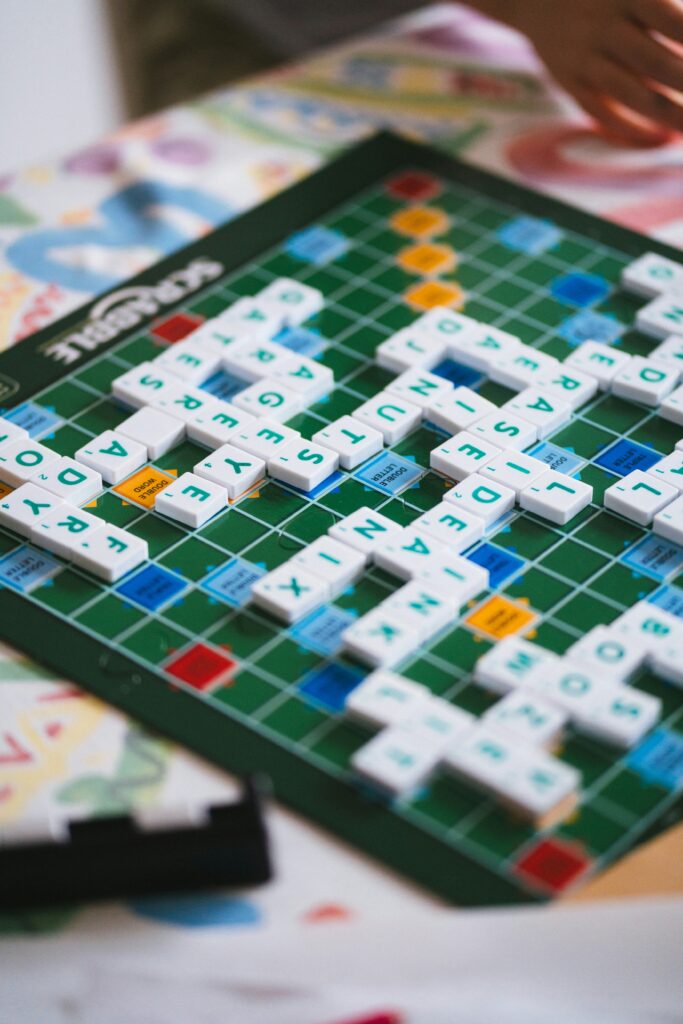
Merriam-Webster is best known for its dictionary, but the company also develops a variety of language-related games. Exploring the Merriam-Webster Dictionary can help you understand word meanings, pronunciation, and usage alongside the games. Unlike many other word puzzle sites, Merriam-Webster bases its games on a trusted, well-established reference.
This means the player can learn definitions, spelling, and vocabulary in general with confidence.
Many of the games are updated daily, to encourage players to return every day and test their vocabulary.
It’s much more like a fun puzzle than a traditional lesson.
What Are the Different Types of Merriam-Webster Games?
While new games are added from time to time, there are a few popular categories that appear most often.
Word Guessing Games
These games ask the player to guess a hidden word. The player has a few hints or attempts to figure out the correct spelling.
They also have to use logic to determine the word, based on:
The letters in the word
How long the word is
The most likely vocabulary
These games are a great way to practice both spelling and logic skills.
Vocabulary Quizzes
These quizzes test the player’s knowledge of vocabulary, including:
Definitions
Synonyms and antonyms
Correct word usage
Idioms
Grammar
They also introduce players to new words.
Spelling Challenges
Correctly spelling a word can be just as challenging as defining it.
Spelling games encourage players to think about:
Silent letters
Double letters
Prefixes and suffixes
Words that are commonly misspelled
These games help players become familiar with common spelling conventions.
Definition Matching Games
These games ask the player to match words with their definitions.
This helps reinforce definitions, since the player has to think about them instead of simply skimming over them.
Crossword-Style Word Puzzles
These word puzzles are similar to traditional crossword puzzles, but often include extra hints and vocabulary-related challenges.
Unlike regular crosswords, these puzzles help build vocabulary by requiring the player to think about word definitions.
They also encourage logical thinking, since the player has to determine the correct word based on:
The definition
The surrounding letters
The number of letters in the word
Complete Guide to Using Merriam-Webster Games to Build Vocabulary
If you’re looking to really improve your vocabulary, playing games randomly isn’t the most effective way to do it. Instead, you should treat Merriam-Webster games as a supplemental learning tool.

Play Every Day
Most of these games are designed to be short, simple puzzles that can be played in just a few minutes.
This means you can play them every day, instead of cramming in a two-hour session once a month.
Consistent practice is much more effective when it comes to building vocabulary.
Look Up Every Word You Don’t Know
Many word games will introduce you to new vocabulary.
Every time you see a word you don’t know, look it up and study it.
That means reading the definition, learning how to pronounce it, and reviewing any example sentences.
This will help you expand your vocabulary and improve your word skills.
Focus on Understanding, Not Speed
When you’re playing a word game, it can be tempting to rush through it and get it over with. Instead, take your time and make sure you understand each word.
Even mistakes can be learning opportunities.
Keep a Word List
Every time you come across a new or interesting word, write it down.
That way, you can review the word and its definition later.
You should keep your word list in a place where you can easily access it, such as a notebook or word document.
Your word list should include:
The word
The definition
An example sentence
The synonyms
Your personal usage of the word
Reviewing your word list can help you retain new vocabulary.
Play Different Types of Games
Each type of game helps you practice different skills.
For example:
Game
Skills Practiced
Word guessing
Logic and spelling
Vocabulary quiz
Definitions
Crossword
Context clues
Matching
Memory
Spelling challenge
Accuracy
By rotating through different games, you can develop a variety of language skills.
Real-World Examples of How People Use Merriam-Webster Games
Example 1: A College Student
A college student needs to take a vocabulary exam for graduate school. Every morning, they spend fifteen minutes taking a vocabulary quiz.
Building a stronger vocabulary doesn’t require flash cards, memorization, or long study sessions. In fact, for many people, the easiest way to learn a language is to have fun with it.
This is the primary reason since the advent of Merriam-Webster games among students, professionals, writers, teachers and people who love words in general. Instead of rote memorization of long lists of vocabulary, the player learns by contexts and games that teach them definitions.
They are entertaining and informative, inculcating curiosity for English. The player probably teaches themselves several things without being aware, and you may even realize that your reading comprehension or communication improved.
In this guide, you’ll discover what Merriam-Webster games are, how they work, who they’re for, and how to use them to improve your vocabulary.
The Core Problem
Many people are looking to improve their vocabulary, but struggle to find an enjoyable way to do it.
Traditional methods often come with downsides, such as:
Having to memorize words
Forgetting what you’ve learned
Becoming bored with the process
Having little opportunity to apply new words
Struggling to find educational activities
Word games help by providing a fun, engaging way to learn.
Instead of forcing the player to memorize lists of words, they encourage them to think about words, their definitions, spelling, and more.
Why People Search for Merriam-Webster Games
People stumble upon Merriam-Webster games for many reasons.
Some people simply enjoy the daily puzzles, while others are looking to:
Expand their vocabulary
Learn how to spell
Prepare for a standardized test
Learn to write better
Practice English as a second language
Exercise their brains
Improve their reading comprehension
Teachers often recommend them to students as a fun way to practice vocabulary, while parents introduce them to their children as an alternative to mindless games.
What Are Merriam-Webster Games?
Merriam-Webster is best known for its dictionary, but the company also develops a variety of language-related games. Unlike many other word puzzle sites, Merriam-Webster bases its games on a trusted, well-established reference.
This means the player can learn definitions, spelling, and vocabulary in general with confidence.
Many of the games are updated daily, to encourage players to return every day and test their vocabulary.
It’s much more like a fun puzzle than a traditional lesson.
What Are the Different Types of Merriam-Webster Games?
While new games are added from time to time, there are a few popular categories that appear most often.
Word Guessing Games
These games ask the player to guess a hidden word. The player has a few hints or attempts to figure out the correct spelling.
They also have to use logic to determine the word, based on:
The letters in the word
How long the word is
The most likely vocabulary
These games are a great way to practice both spelling and logic skills.
Vocabulary Quizzes
These quizzes test the player’s knowledge of vocabulary, including:
Definitions
Synonyms and antonyms
Correct word usage
Idioms
Grammar
They also introduce players to new words.
Spelling Challenges
Correctly spelling a word can be just as challenging as defining it.
Spelling games encourage players to think about:
Silent letters
Double letters
Prefixes and suffixes
Words that are commonly misspelled
These games help players become familiar with common spelling conventions.
Definition Matching Games
These games ask the player to match words with their definitions.
This helps reinforce definitions, since the player has to think about them instead of simply skimming over them.
Crossword-Style Word Puzzles
These word puzzles are similar to traditional crossword puzzles, but often include extra hints and vocabulary-related challenges.
Unlike regular crosswords, these puzzles help build vocabulary by requiring the player to think about word definitions.
They also encourage logical thinking, since the player has to determine the correct word based on:
The definition
The surrounding letters
The number of letters in the word
Complete Guide to Using Merriam-Webster Games to Build Vocabulary
If you’re looking to really improve your vocabulary, playing games randomly isn’t the most effective way to do it. Instead, you should treat Merriam-Webster games as a supplemental learning tool.
Play Every Day
Most of these games are designed to be short, simple puzzles that can be played in just a few minutes.
This means you can play them every day, instead of cramming in a two-hour session once a month.
Consistent practice is much more effective when it comes to building vocabulary.
Look Up Every Word You Don’t Know
Many word games will introduce you to new vocabulary.
Every time you see a word you don’t know, look it up and study it.
That means reading the definition, learning how to pronounce it, and reviewing any example sentences.
This will help you expand your vocabulary and improve your word skills.
Focus on Understanding, Not Speed
When you’re playing a word game, it can be tempting to rush through it and get it over with. Instead, take your time and make sure you understand each word.
Even mistakes can be learning opportunities.
Keep a Word List
Every time you come across a new or interesting word, write it down.
You’ll be able to revisit the vocabulary and its meaning whenever you need additional practice.
You should keep your word list in a place where you can easily access it, such as a notebook or word document.
Your word list should include:
The word
The definition
An example sentence
The synonyms
Your personal usage of the word
Reviewing your word list can help you retain new vocabulary.
Play Different Types of Games
Each type of game helps you practice different skills.
For example:
Game
Skills Practiced
Word guessing
Logic and spelling
Vocabulary quiz
Definitions
Crossword
Context clues
Matching
Memory
Spelling challenge
Accuracy
By rotating through different games, you can develop a variety of language skills.
Real-World Examples of How People Use Merriam-Webster Games
Example 1: A College Student
A college student needs to take a vocabulary exam for graduate school. Every morning, they spend fifteen minutes taking a vocabulary quiz.
After a few months of regular practice, they’re able to recognize unfamiliar vocabulary when reading academic articles.
Example 2: An ESL Student
An ESL student is learning English. They use Merriam-Webster games as a supplement to their regular lessons.
Instead of memorizing vocabulary lists, they’re exposed to a variety of new words every day.
This helps them understand and retain more vocabulary.
Example 3: A Professional Writer
A professional writer plays word games every morning before work.
The new words they learn often appear in their articles, emails, and other writing.
After a few months, their writing contains more diverse vocabulary, without sounding forced or unnatural.
Professional Insights
Vocabulary is often built through exposure. Research on vocabulary acquisition shows that repeated exposure to words in different contexts improves long-term retention. Educational experts agree that it’s much easier to remember a word if you see it several times in different contexts.
Word games encourage this type of exposure, since they require the player to:
Review words they’ve already seen
Apply their knowledge of the English language
Guess new words based on their definitions
Learn from their mistakes
Since the games are enjoyable, many people find themselves playing them for longer periods of time. Regular exposure helps them become familiar with a broader vocabulary.
Consistency is More Important Than Intensity
It’s much better to spend ten minutes a day playing word games than it is to spend five hours every other week. In fact, many language experts agree that consistent practice is more important than cramming in long study sessions.
Common Mistakes People Make with Merriam-Webster Games
While Merriam-Webster games are educational, many people fail to maximize their learning potential.
Here are some common mistakes to avoid:
Playing Only to Maintain a Streak
Many games reward players for playing every day and maintaining a streak.
While this can be a good way to encourage consistency, it shouldn’t be your sole motivation for playing.
Ignoring Incorrect Answers
Incorrect answers are often more important than correct answers, since they highlight the words you don’t know.
Make sure to review any explanations or definitions after getting an incorrect answer.
Guessing at Random
It can be tempting to guess at random when playing a word game, especially if you’re in a hurry.
However, this is a great way to waste your time, since you’re not really learning anything.
Take your time and review each word carefully.
Never Reviewing New Words
Many people fail to review new vocabulary, which means they forget it just as quickly as they learn it.
Reviewing new vocabulary is essential, since it helps you retain it for the long term.
Depending Only on One Game
Each word game helps you practice slightly different skills.
If you only play one game, you won’t be challenging your vocabulary or language skills in the best way possible.
How to Avoid Common Mistakes With Merriam-Webster Games
Now that you know what mistakes to avoid, here are some quick tips for getting more out of your word games.
Instead of rushing through word games, read every explanation or definition carefully.
That way, you’ll actually learn something.
Study New Vocabulary
If you come across a new word, spend some time studying it.
Use the word in a sentence to help you remember it.
Review Vocabulary Every Week
If you’ve learned new vocabulary, review it every week to help you retain it.
Rotate Through Different Types of Games
Each word game challenges you differently.
Rotating through different games can help you practice a variety of skills.
Test Your Knowledge
Challenge yourself with new vocabulary and game types.
This will help you continue to learn and grow your language skills.
Pro Tips
If you’re really looking to grow your vocabulary, consider implementing these additional tips.
Read Example Sentences
You can also check out our guide on vocabulary building strategies for more practical ways to remember and use new words naturally.
Whenever you see a new word, read the example sentences to see how it’s used.
This will help you understand the word better than just reading a definition.
Say New Words Out Loud
Speaking the word out loud will help you remember how to pronounce it.
Write Your Own Sentences
Instead of just reading example sentences, try writing your own.
This will help you retain the word and remember it for the long term.
Play at the Same Time Every Day
It’s important to develop a consistent routine.
If you play word games at the same time every day, it can become a regular habit.
Don’t Be Afraid of Difficult Words
The more difficult the word is, the more you’ll benefit from learning it.
Frequently Asked Questions
Are Merriam-Webster games free?
Many of the available games can be played for free, although certain features or services may be available only to paying customers.
Do these games really help you build a vocabulary?
Yes, they do. Word games encourage the player to think about vocabulary, definitions, and spelling.They help expand a player’s vocabulary by introducing new terms.
Are these games appropriate for children?
Many of these games are appropriate for children, teenagers, and adults. Some games may be too difficult for very young children, but older kids and teens can benefit from them.
Can non-native English speakers use these games?
Yes, they can. In fact, many of these games are a great way to learn English.
How often should I play these games?
Even ten or fifteen minutes a day can lead to significant improvements in your vocabulary.
Are these games useful for writers?
Yes, they are. Many writers use word games to improve their vocabulary, spelling, and overall word skills.
Conclusion
Merriam-Webster games make it easy to build a stronger vocabulary, without spending hours upon hours studying.
They combine fun puzzles with educational content, so you can have fun while you learn.
Whether you’re preparing for a test, learning English, or simply looking to improve your word skills, these games can help you achieve your goals.
Remember that it’s not about how long you play, but rather how often you play.
By spending just a few minutes each day reviewing vocabulary, definitions, and word usage, you can dramatically improve your language skills.