Chemistry is often referred to as the science of matter, but within the entire discipline, the branch that studies the basic building blocks of matter called molecules plays one of the most prominent roles. Water, air, food, medication, and thousands other things surrounding us consist of molecules and hence are subject of molecular chemistry.
However, when asking yourself what is molecular chemistry, you might be confused and unsure about the definition. This way of thinking is absolutely common, given the number of scientific fields where molecular chemistry is applied. In fact, molecular chemistry is the science that studies from the simplest to the most complex forms of matter. More specifically, it deals with the properties of molecules and their behavior during reactions.
By learning more about molecular chemistry, you will understand how chemistry works at a molecular level and hence be able to identify and address many problems in pharmacology, medicine, and related fields. It is vital to understand what is molecular chemistry as it continues to be one of the most actively-developing areas of science that ultimately determines the future of humankind.
Topic Explanation
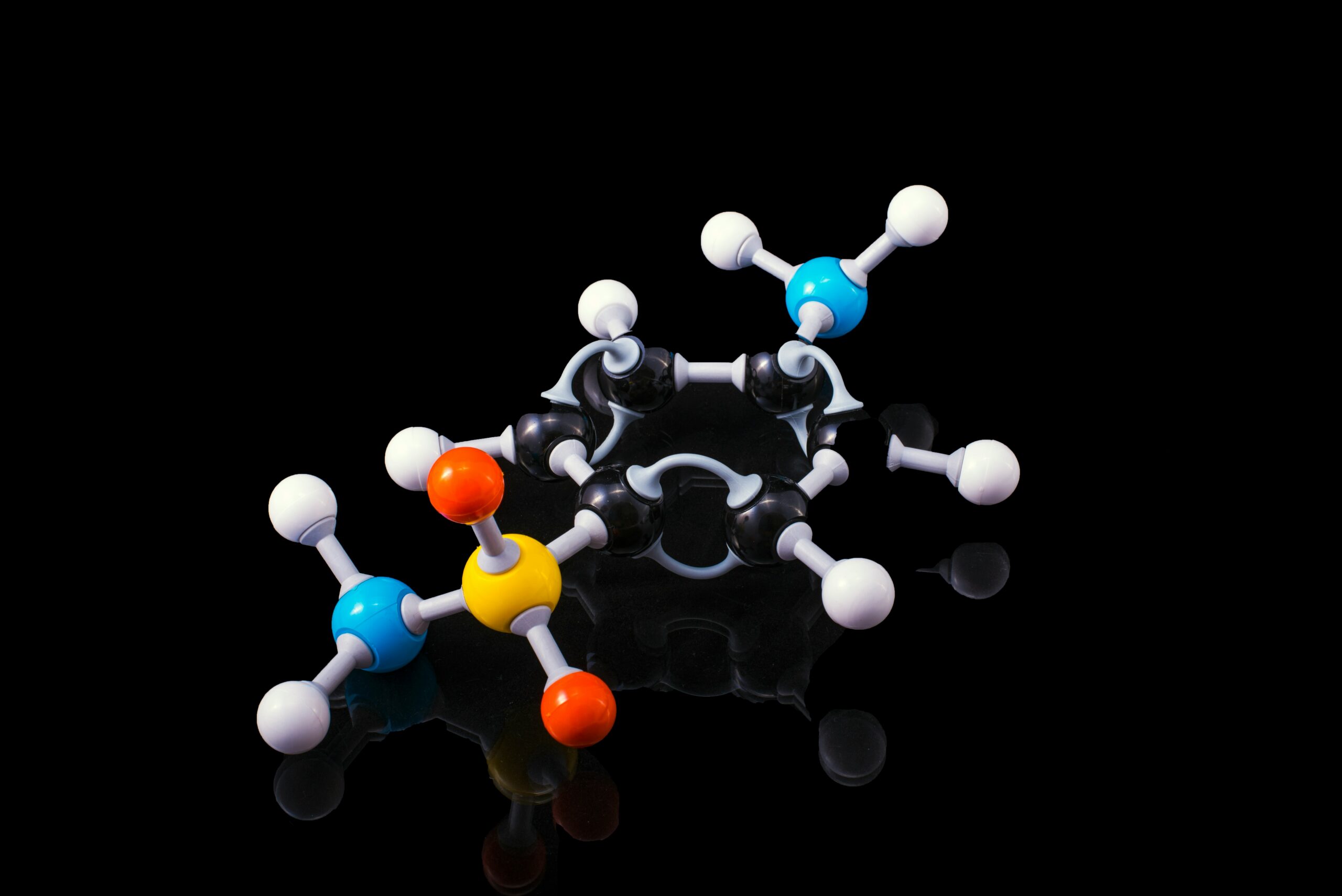
Generally, molecular chemistry is the branch of chemistry that studies substances from the perspective of their molecular structure and properties, as well as the ways of obtaining them, changing them, and interacting with them. So, molecules are the basic building blocks of matter that are made up from two or more atoms linked by a chemical bond. These atoms can be the same, such as in O₂, or different, as in H₂O.
When studying molecular chemistry, scientists ask questions like What atoms can combine to form a molecule?, Why does a particular molecule have a certain shape?, and How do these molecules interact and change during chemical reactions?. Thus, molecular chemistry provides answers to such inquiries and explores the characteristics, behaviors, and properties of molecules.
For instance, carbon, hydrogen, and oxygen atoms may combine to form either simple or complex substances. The ways of their combination and interaction determine the physical and chemical properties of molecules and, therefore, their applications. So, the understanding of molecular structure allows scientists to predict how a chemical substance will behave under certain conditions.
Importance of Understanding Molecular Chemistry
During the last decades, molecular chemistry has attracted increasing scientific attention and is now at the forefront of scientific research. Molecular chemistry is critically important for investigating and addressing many issues and is regarded as key to developing new materials and pharmaceutical products. So, there is no doubt that molecular chemistry is playing and will continue to play a decisive role in numerous scientific fields and the development of society as a whole.
Therefore, it is crucial to study molecular chemistry to determine how different atoms, molecules, and matter interact under different conditions. The progress in molecular chemistry has already led to groundbreaking changes in human life and will continue to be instrumental in bringing new discoveries in various fields of science, such as biology or medicine. Molecular biology, molecular genetics, molecular pathology, and other interrelated disciplines help scientists at a molecular level understand how the living organisms function and hence allow them to improve human life and address various health issues.
Atoms and Chemical Bonds
To begin with, molecular chemistry studies matter, which is comprised of molecules. In turn, molecules are formed from atoms united by chemical bonds. So, atoms are complex structures that are the fundamental building blocks of all substances known today. Any atom consists of protons, neutrons, and electrons.
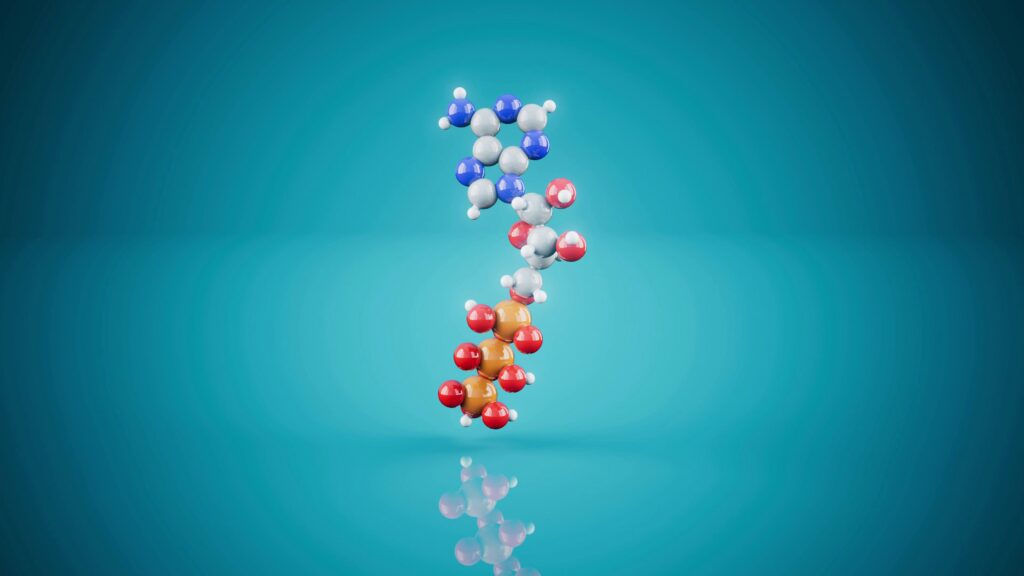
The number of each of these subatomic particles determines the element and isotope that a certain atom belongs to. Protons and neutrons are heavier and located at the nucleus of an atom, whereas electrons are much lighter and move around the nucleus in electron shells. Chemical bonds are the forces that keep atoms together as a molecule, helping explain chemical bonding in greater detail.
Covalent bonds are formed when atoms share electrons; they are vital for the formation of molecules and hence are widely present in molecular chemistry. For instance, all organic compounds, including hydrocarbons, water, and carbon dioxide, involve covalent bonding. As for ionic bonds, they are formed when electrons transfer from one atom to another, but they are important for studying ionic compounds as well. Other types of bonds that may exist are van der Waals bonds, hydrogen bonds, and dipole bonds.
Molecular Structure
Another essential aspect of molecular chemistry is the molecular structure that ultimately determines many properties and behaviors of substances. The structure of a molecule refers to the way atoms are arranged in space. For example, the same carbon and hydrogen atoms can be arranged differently to form distinct substances with drastically different properties. Such a substance is graphite, which consists of carbon atoms arranged in layers. Another allotrope of carbon is diamond where carbon atoms are arranged in a different way. Due to their structural difference, graphite and diamond have substantially different properties and uses.
Molecular Geometries
Molecules that seem to have a simple structure actually have a complex geometry. Molecular geometry refers to the three-dimensional shape and arrangement of atoms within a molecule. The geometrical shape of a molecule is determined by the valence electrons of the atom. For instance, H2O molecules have a bent structure, molecules of methane (CH4) have a tetrahedral shape, whereas CO2 molecules have a linear structure. Geometrically different molecules will have different properties and will interact in distinct ways during a chemical reaction.
Molecular Interactions
Besides interacting with atoms, molecules interact with other molecules as well. For instance, molecules of water form hydrogen bonds, which are essential for many of the properties of water. Other types of molecular interactions include dipole-dipole interactions and Van-der-Waals interactions. These properties are of particular importance as they determine many characteristics of substances and materials, such as melting and boiling points, solubility, flexibility, and so on.
Chemical Reactions and Equations
Molecules constantly undergo chemical reactions that involve breaking chemical bonds of reactants and forming the bonds of products. A chemical reaction is a process during which a chemical change occurs and leads to the formation of new substances. When studying chemical reactions, scientists are mostly interested in chemical equations, which represent the reactions using chemical symbols and formulas. By examining such equations, researchers can determine how much of a product will be formed, how much energy will be generated or consumed by the reaction, and what other by-products will be present.
In molecular chemistry, scientists are especially concerned about the structure of molecules and the factors that lead to chemical changes. Therefore, they study the mechanisms of reactions and ways of controlling them to find the conditions under which the reaction proceeds without by-products, at a reasonable rate, and with the maximum yield of the desired product. Understanding the nature of chemical reactions allows researchers to find more efficient ways of manufacturing chemical products, which is vitally important for industrial chemistry.
What Is Molecular Chemistry, Organic Chemistry and Life
Molecular chemistry and organic chemistry are sometimes confused with each other, but these are two distinct areas of chemistry. Organic chemistry is a separate branch that studies compounds that contain carbon. However, organic chemistry is only a part of molecular chemistry, which also studies inorganic molecules and substances. Given the unique ability of carbon atoms to form strong bonds with other elements, most of molecular chemistry research is related to organic chemistry.
Molecular chemistry plays a significant role in living organisms. In fact, all biological processes are governed by molecules and controlled by their interaction. For example, DNA contains a molecule that carries genetic information, making it essential to understand DNA structure and its role in biology. The study of molecules has allowed scientists to understand the mechanisms of DNA replication and greatly contribute to genetic engineering and medicine. Proteins are another class of molecules essential for life.
They are made up from amino acid molecules and are involved in most biological processes. The way a protein molecule is constructed and shaped determines its function. Enzymes are special molecules that catalyze biochemical reactions; molecular chemistry helps scientists gain insight into their structure to use their properties and alter them for medical purposes. Researchers studying cellular communication investigate how cells interact with molecules and how they transmit signals within and between cells, which ultimately forms the basis of molecular biology and molecular medicine.
Expert Views and Industry Applications
The most relevant and rapidly evolving field today is molecular chemistry, which acts as a bridge between classical chemistry and other sciences. For instance, molecular modeling in pharmacology allows the design of drug molecules to match certain biological needs before laboratory trials. In materials science, specific molecule structures can be designed to create polymers, plastics, lightweight, and durable materials, and many other objects. Moreover, artificial intelligence can be used to examine chemical databases and determine potential candidates for further research into pharmaceutical, energetic, and other needs.
Experts believe future discoveries will increasingly rely on computational chemistry to model molecules and accelerate scientific research. With the rise of computational chemistry, scientists will be able to use supercomputers to examine molecules and their interactions in much greater detail than ever before. This will ultimately lead to more innovative findings and a significant reduction in the costs of materials science research. However, experts are still faced with challenges in examining larger and more complex molecules than atoms or small molecules, as well as understanding how these molecules behave under specific conditions.
Everyday Life Examples
Most often, people encounter molecular chemistry in their everyday life without even realizing it. For example, every drug that people take consists of molecules specially designed to interact with other molecules in the body. Medication can be used for a vast variety of purposes, from reducing pain or fever to fighting bacteria, viruses, or other pathogens. Cooking is also an example of molecular chemistry, as numerous chemical reactions allow preparing meals with enhanced flavor, nutritional value, and other desired characteristics.
Detergents and other cleaning products can also be useful examples of how molecular chemistry is applied in everyday life. The molecules of such products interact with water and oil to remove dirt from clothes and other objects. Plastics are essential materials used in most objects that people encounter daily. The properties of plastics are determined by molecular chemistry, specifically by long polymer chains that give certain characteristics to each type of plastic. Batteries represent another example of molecular chemistry, as their molecular and electronic structure allows converting, storing, and using energy.
Common Mistakes
When learning molecular chemistry, students may make some common mistakes that should be avoided. Molecules are far too small to be seen directly, and thus their size is often overestimated by beginners. They should also understand that the properties of molecules cannot be determined and predicted by looking at them under a microscope. Furthermore, it is incorrect to believe that mixing any two substances will result in a chemical reaction. In reality, such a reaction occurs only when the molecules of two substances interact.
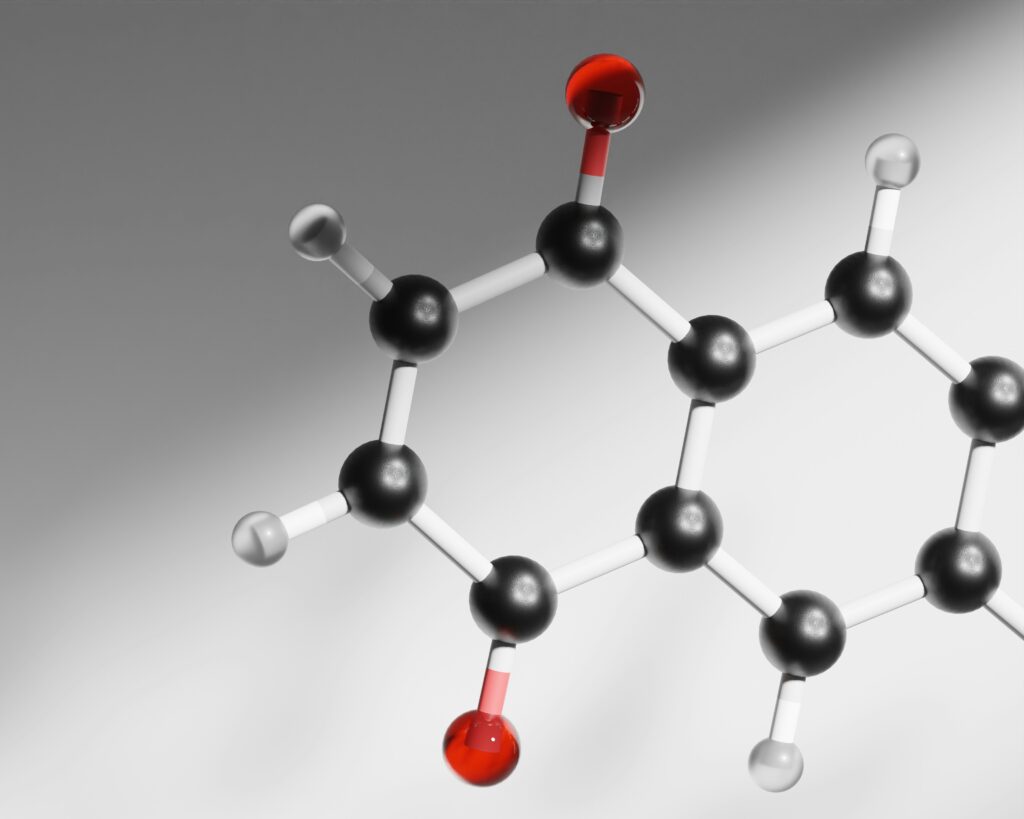
Moreover, many students confuse atoms and molecules believing that these terms refer to the same concept. In reality, molecules are made up from atoms, and these are two different structures. Finally, students should understand that the shape of a molecule matters much more than the number of atoms, and two similar atoms arranged in a different manner will have different properties.
Conclusion
The importance of understanding what is molecular chemistry should not be underestimated. It is the basic concept that explains to us how the world around us works at the level of atoms and molecules.
Molecular chemistry studies the properties of matter and its structural organization; it also studies various chemical reactions. The study of chemistry is essential in many areas of human activity, from healthcare and biotechnology to alternative energy sources and new materials.
In other words, chemistry is involved in almost all spheres of human activity. Moreover, the development of chemical thought and technology for studying matter is leading chemistry into new realms. Therefore, the study of molecular chemistry is significant because it allows us to understand how the world around us works and what we can achieve with the help of chemical reactions.