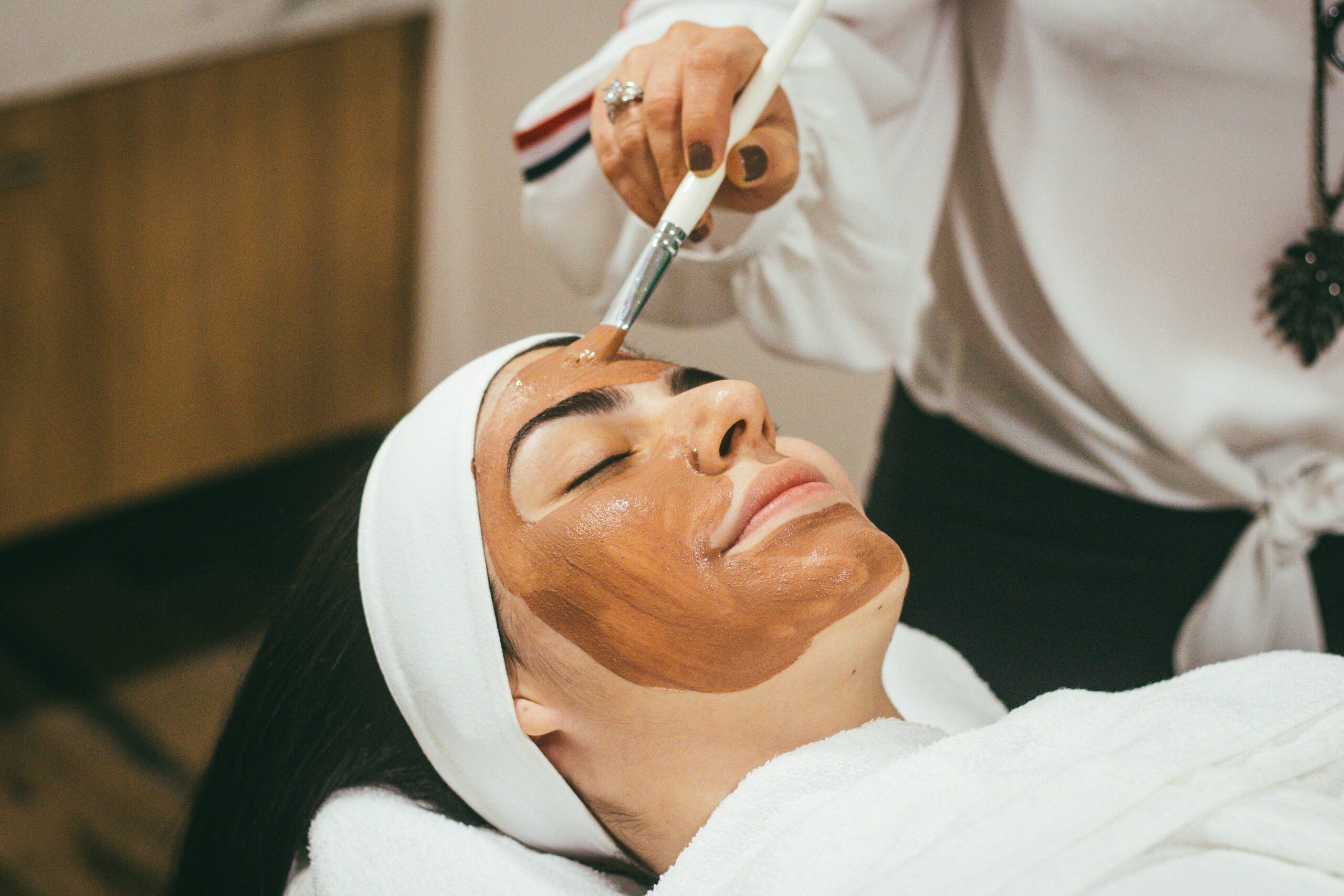
The vampire facial has gained immense popularity as a cosmetic procedure in the last ten years. While the name sounds dramatic, the treatment itself is perfectly safe and rather simple. It involves removing the topmost layer of the skin and stimulating its regeneration with the help of the patient’s own plasma. The vampire facial is designed to make one’s skin smoother, reduce the appearance of fine lines and wrinkles, heal acne scars, and give the skin a healthier look.
It has become a popular procedure in recent years, as the majority of patients are searching for an affordable and convenient way to achieve their beauty goals. At the same time, the increased interest in the vampire facial has led to the spread of various myths about the treatment. While some beauty enthusiasts claim that the vampire facial is a universal solution that produces dramatic results every time, others insist that it is an entirely safe procedure with no possible drawbacks. However, the truth often lies in between.
Therefore, it is crucial to understand the nuances of the procedure, its pros and cons, and who should consider it before deciding to get a vampire facial. This essay will provide an insight into the workings of the vampire facial, as well as the potential effects and side effects of the treatment.
What Is a Vampire Facial?
A vampire facial is a cosmetic procedure that consists of two popular aesthetic treatments: microneedling and platelet-rich plasma (PRP). In a vampire facial, a healthcare professional starts by withdrawing a small amount of a patient’s blood. Next, the blood sample is placed in a centrifuge, a machine that isolates platelet-rich plasma (PRP).
Platelets are cells responsible for generating growth factors, which are essential proteins found in the body’s natural healing mechanism. To do that, a healthcare professional applies the solution to the patient’s skin after making numerous microincisions using a microneedling device. The microchanneling creates microtraumas that facilitate the introduction of PRP into the skin and triggers the skin’s self-repair mechanism.
The combination of two procedures helps stimulate collagen production and improve the skin’s texture. Similar regenerative treatments are also used in PRP therapy, where platelet-rich plasma supports the body’s natural healing process. Since the healthcare professional uses the patient’s blood plasma, the substance is autologous, meaning that the patient’s body does not reject it. However, there is no foreign matter introduced during a vampire facial, which avoids potential side effects of cosmetic products.
Why Is It Called a Vampire Facial?
The unusual name comes from the use of the patient’s own blood during the procedure. Before the platelet-rich plasma is separated, a small amount of blood is drawn from the arm, similar to a routine blood test. Images showing blood on the face after treatment contributed to the nickname “vampire facial.”
Although the name sounds intimidating, the treatment itself is based on regenerative medicine rather than anything supernatural. Most clinics clean away excess blood after the procedure, leaving only mild redness similar to a sunburn.
Understanding Platelet-Rich Plasma (PRP)
Platelet-rich plasma is the foundation of a vampire facial. Blood contains several different components, including red blood cells, white blood cells, plasma, and platelets. Platelets are best known for helping blood clot after an injury, but they also release signaling proteins that support tissue repair.
During PRP preparation, the blood sample is spun in a centrifuge to concentrate the platelets within the plasma. This platelet-rich portion is collected separately and used during treatment.
Researchers continue studying PRP for various medical applications, including sports medicine, orthopedics, wound healing, and certain cosmetic procedures. While many patients report positive cosmetic outcomes, results can vary, and ongoing research is still evaluating the full extent of PRP’s effectiveness for facial rejuvenation.
How Does a Vampire Facial Work?
The treatment relies on two complementary processes working together.
Microneedling creates tiny punctures in the skin using fine, sterile needles. Learning more about microneedling treatment can help you understand how collagen induction therapy improves skin texture and supports facial rejuvenation. These controlled micro-injuries trigger the body’s natural healing response, encouraging the production of collagen and elastin two structural proteins that help maintain firm, smooth skin.
Once the PRP is applied, its concentrated growth factors may support the healing process already initiated by microneedling. The combination is intended to improve the skin’s overall appearance gradually rather than producing immediate changes.
Unlike injectable dermal fillers, which add volume directly beneath the skin, a vampire facial aims to stimulate the body’s own regenerative processes over time.
What Skin Concerns Can a Vampire Facial Address?
Many people consider this treatment because they want overall skin improvement rather than correction of a single problem.
A vampire facial may be recommended for concerns such as:
- Fine lines and early signs of aging
- Uneven skin texture
- Mild to moderate acne scars
- Enlarged pores
- Dull or tired-looking skin
- Mild sun damage
- Rough skin texture
- Early collagen loss
It is important to understand that no cosmetic procedure can permanently stop aging or completely eliminate deep wrinkles. Individuals with severe scarring or advanced skin laxity may require different treatment approaches.
Benefits of a Vampire Facial
One reason the vampire facial remains popular is that it addresses several cosmetic concerns simultaneously. Instead of targeting only wrinkles or only skin texture, the treatment aims to improve overall skin quality.
Supports Natural Collagen Production
Collagen is the primary structural protein responsible for skin firmness. Natural collagen production declines with age, contributing to wrinkles and skin laxity. Microneedling stimulates collagen formation as part of the skin’s repair process, while PRP may enhance this healing response.
Improves Skin Texture
Many patients notice smoother skin several weeks after treatment as new collagen develops. Rough areas and uneven texture may gradually become less noticeable.
May Reduce Acne Scars
Microneedling has long been used to improve certain types of acne scars. Combining it with PRP may further support skin remodeling, although results vary depending on scar depth and individual healing.
Creates a Healthier Complexion
As damaged skin cells are replaced, many patients describe their skin as looking brighter and more refreshed. Improvements usually develop gradually rather than immediately.
Uses the Patient’s Own Blood
Because the plasma comes from the individual’s own body, allergic reactions to PRP itself are uncommon. However, reactions to numbing creams or other products used during treatment are still possible.
Who Is a Good Candidate?
A vampire facial is generally considered for adults who want to improve overall skin quality without surgery.
Candidates often include individuals who have:
- Mild to moderate signs of skin aging
- Early wrinkles
- Acne scars
- Uneven skin texture
- Sun-damaged skin
- Enlarged pores
- Realistic expectations about gradual improvement
People expecting dramatic lifting comparable to a surgical facelift may be disappointed. This procedure focuses on skin rejuvenation rather than major structural changes.
What Happens During the Procedure?
Knowing what to expect often helps reduce anxiety before treatment.
The appointment usually begins with a consultation to review medical history, medications, allergies, and treatment goals. The provider examines the skin to determine whether the procedure is appropriate.
A small blood sample is then collected from the patient’s arm. While the blood is being processed in a centrifuge, the skin is cleansed thoroughly, and a topical numbing cream is applied to improve comfort during microneedling.
Once the platelet-rich plasma has been prepared, the provider performs microneedling across the treatment area using a sterile device equipped with very fine needles. PRP is applied during or immediately after microneedling so that it can reach the tiny channels created in the skin.
The entire procedure generally takes between 60 and 90 minutes, although appointment times vary depending on the treatment area and clinic protocols.
Does a Vampire Facial Hurt?
Most patients describe the procedure as being uncomfortable, but not painful. The discomfort of the procedure is minimized by the topical anesthetic, though some areas of the forehead or nose may be more sensitive. The skin is often pink, warm, and tight following treatment and feels similar to sunburned skin. This tightness and discomfort typically subside after several days.
Possible Risks and Side Effects
Like any other cosmetic procedure, a vampire facial has its risks. The most important step to reduce complications is to choose a qualified healthcare provider who will use the necessary infection control measures.
The most common side effects are temporary redness, which usually lasts for about a week or two, and swelling, which should subside in a few days. Other mild side effects may include bruising, tenderness, and sensitivity of the skin. More serious but rare side effects of a vampire facial may include pinpoint bleeding during the treatment or peeling of the skin.
Additionally, some patients note that bruising may occur in the places where the blood was drawn or the skin was needled. If the healthcare provider does not follow the infection control guidelines or the patient does not follow the post-treatment care recommendations, there is a risk of infection. Those with active infections, disorders affecting the blood, or other medical conditions may not be eligible for this treatment. To assess whether a vampire facial is right for you, make sure to have a comprehensive consultation with a licensed medical professional.
Recovery After a Vampire Facial
One of the main advantages of vampire facial over more invasive surgeries is the short recovery time that is needed for the skin to heal. Although it may take a while for the skin to reach its ideal condition, most people can return to their daily activities after a couple of days. In the first 24-48 hours, the skin might be red and sensitive, but this side effect is comparable to a sunburn. The skin resembles a pink or red color and may feel tender to the touch.
During the following days, one might observe some edema or dryness, as the top layer of the skin sheds. The minor abrasions left by the device during the procedure disappears shortly after the treatment. In the next few days, one might notice some flaky skin, which is a sign that the skin is healing. Over the span of one week, the skin should look back to its normal appearance without any negative side effects. Despite the short downtime, it takes the skin a few weeks to fully recover, as new collagen tissues continue to heal the skin on a deeper level.
Essential Aftercare Tips
Proper aftercare is essential to ensure the best results from a vampire facial. Your skin will be more sensitive than usual right after the procedure, so it requires special attention. For instance, you may leave the platelet-rich plasma on your face for a couple of hours before washing it off, depending on your provider’s recommendations.
It is advisable to keep your face clean and moisturized for the first day or two after the treatment. You should also avoid using any topical skincare products, including cleansers, toners, exfoliants, retinoids, or alcohol-based toners, for a while. They may irritate your skin and impede the healing process. Moreover, you should not touch your face as much as possible during the first few days after the procedure.
Another crucial aspect of post-vampire facial care is sun protection. Your skin will be more sensitive to UV radiation for several days after the treatment. Hence, it is essential to use broad-spectrum sunscreen (SPF 30+) and protect your skin from UV exposure as much as possible.
Most providers recommend avoiding strenuous activities, including working out, visiting a sauna, or going to a hot tub, for at least a couple of days after the procedure. They may cause your skin to sweat profusely and become more irritated.
When Will You See Results?
One of the most common questions about vampire facial is how long it takes for the results to appear. Unlike fillers, which are immediate, the effects of PRP require time to become apparent. Since they are the result of the body’s repair mechanism, collagen production takes some time to accelerate. During the first week, some patients report an improvement in their skin’s appearance due to the resolution of inflammation. Nevertheless, more significant changes should become noticeable after a few weeks. The majority of dermatologists report that the full range of effects, including the reduction of fine lines, wrinkles, and acne scars, becomes apparent several months after the procedure as a result of the enhanced collagen production.
The exact timeframe depends on the individual’s skin condition, age, lifestyle, and the number of treatments. Therefore, patients with active skin issues or concerns often need multiple procedures to notice substantial improvements.
How Long Do the Results Last?
Results from a vampire facial are not permanent because the skin continues to age naturally. Many people enjoy smoother, healthier-looking skin for several months after completing their recommended treatment plan. Some clinics suggest maintenance treatments once or twice a year, although the ideal schedule varies based on individual goals and professional recommendations.
Lifestyle choices also influence how long results last. Smoking, excessive sun exposure, poor sleep, and inadequate skincare may accelerate collagen breakdown and reduce the longevity of improvements. On the other hand, maintaining a healthy skincare routine and protecting the skin from ultraviolet damage may help preserve the benefits for a longer period.
How Many Sessions Are Usually Recommended?
While some people report seeing changes after a single treatment, most cosmetic surgeons recommend a series of procedures to achieve dramatic results. If you’re hoping to reduce the appearance of acne scars or significantly improve the roughness of your skin, consider scheduling three or more sessions several weeks apart.
The right number of treatments depends on your unique circumstances, including what you want to accomplish and which areas need improvement. During an initial consultation, your provider can help you design a customized treatment plan to address your specific needs instead of using a cookie-cutter approach.
Vampire Facial vs. Traditional Microneedling
Both procedures use tiny needles to stimulate collagen production, but the addition of platelet-rich plasma is what distinguishes a vampire facial from standard microneedling.
Traditional microneedling relies solely on the controlled micro-injuries created by the needles to encourage skin repair. A vampire facial builds on this concept by applying PRP during the treatment, with the goal of supporting the natural healing process.
Research into PRP continues to evolve. Some studies suggest that combining PRP with microneedling may provide additional benefits for certain patients, while other studies indicate that improvements vary depending on the individual’s skin condition and treatment goals. Because evidence is still developing, results should be viewed realistically rather than as guaranteed.
Vampire Facial vs. Vampire Facelift
The terms vampire facial and vampire facelift are sometimes used interchangeably, but they are not the same procedure.
A vampire facial focuses on improving the skin’s surface through microneedling combined with platelet-rich plasma. It primarily targets skin texture, fine lines, enlarged pores, and mild scarring.
A vampire facelift generally combines PRP with injectable dermal fillers to restore facial volume while also improving skin quality. Because fillers are involved, the procedure addresses volume loss in addition to skin rejuvenation.
Understanding this difference helps patients choose the treatment that best matches their cosmetic concerns.
Who Should Avoid a Vampire Facial?
Although a vampire facial is considered safe for many healthy adults, it is not appropriate for everyone. Individuals with active skin infections, uncontrolled acne, certain blood disorders, bleeding disorders, or severe inflammatory skin conditions may not be suitable candidates.
People taking blood-thinning medications or those with medical conditions affecting wound healing should discuss their medical history thoroughly with their healthcare provider before scheduling treatment. Pregnant or breastfeeding individuals should also consult their physician, as safety data for elective cosmetic PRP procedures during pregnancy remains limited.
A qualified medical professional should always evaluate whether the treatment is appropriate based on the patient’s overall health and individual circumstances.
Common Misconceptions
The popularity of the vampire facial has led to several myths that can create unrealistic expectations.
One common misconception is that the treatment delivers immediate anti-aging results. In reality, collagen production requires time, so noticeable improvements develop gradually over weeks or months.
Another misunderstanding is that the procedure permanently stops aging. While it may improve certain signs of aging, it cannot prevent the natural aging process or replace healthy lifestyle habits and consistent skincare.
Some people also assume that because PRP comes from their own blood, there are no risks involved. Although allergic reactions to PRP itself are uncommon, complications such as infection, bruising, or irritation remain possible if proper medical standards are not followed.
Expert Recommendations
Dermatology and aesthetic medicine professionals generally emphasize that the success of a vampire facial depends not only on the procedure itself but also on patient selection, provider experience, and realistic expectations. Choosing a licensed healthcare provider who uses sterile equipment and follows established safety protocols is far more important than selecting a clinic based solely on price.
Patients should also understand that healthy skin is maintained through long-term habits rather than a single cosmetic treatment. Exploring our health and wellness resources can help you discover more expert guides on skincare, preventive care, and healthy lifestyle habits.
Consistent sun protection, balanced nutrition, adequate hydration, and a personalized skincare routine remain essential for preserving results and supporting overall skin health.
Conclusion
A vampire facial is a cosmetic procedure involving microneedling and platelet-rich plasma to stimulate the production of collagen and other substances that improve the skin quality. Instead of offering an immediate effect, the treatment enhances the skin’s natural healing process and helps it recover. People usually consider the procedure if they seek to address signs of aging, mild acne scars, uneven skin texture, dilated pores, or other skin imperfections without resorting to invasive surgeries.
Even though vampire facials have become highly popular in recent years, individuals should not expect to see dramatic results right after the treatment. In most cases, several sessions may be required to observe significant improvement, and the outcomes may vary depending on the person’s unique condition. Moreover, the vampire facial is not a guaranteed method for improving the skin quality, and proper post-treatment care, professional expertise, and maintenance is vital for all stages of the procedure.
If someone is still interested in the treatment, consulting with an experienced dermatologist or medical professional is the best way to assess their options and understand the expected outcome.
Frequently Asked Questions
1. Is a vampire facial safe?
When performed by a trained and licensed healthcare professional using sterile equipment, a vampire facial is generally considered safe for appropriate candidates. However, like any cosmetic procedure, it carries potential risks, including infection, bruising, and temporary skin irritation.
2. How painful is a vampire facial?
Most people describe the treatment as mildly uncomfortable rather than painful. A topical numbing cream is typically applied before microneedling to improve comfort throughout the procedure.
3. How long does a vampire facial take?
A complete appointment usually lasts between 60 and 90 minutes, including consultation, blood collection, PRP preparation, numbing time, and the microneedling procedure.
4. Can a vampire facial remove acne scars?
A vampire facial may improve the appearance of certain mild to moderate acne scars by stimulating collagen production. Deep or severe scars may require additional or alternative treatments.
5. When can I wear makeup again?
Many providers recommend waiting at least 24 hours before applying makeup, although the exact timing depends on your skin’s healing progress and your provider’s instructions.
6. How often should I get a vampire facial?
Treatment frequency varies based on skin concerns and goals. Many people begin with a series of treatments several weeks apart, followed by maintenance sessions as recommended by their provider.
7. Is a vampire facial worth it?
For individuals seeking gradual improvements in skin texture, fine lines, and overall skin quality without surgery, a vampire facial may be a worthwhile option. A consultation with a qualified provider can help determine whether it is suitable for your specific needs.