Out there where fresh beginnings take shape, stepping onto campus marks a major turn. Because getting ready for that first arrival mixes nerves with thrill. A well-planned College Dorm Checklist helps bring every essential together, so clutter fades away and nothing important is forgotten. With clarity nearby, students find their rhythm faster. Arriving prepared with a College Dorm Checklist builds confidence and creates a strong foundation from day one.
Starting college life – or heading back – goes easier when your bag holds just what you need. Bedding sets up sleep, towels handle showers; each thing fits a daily rhythm. Instead of guessing later, plan ahead so mornings flow without hassle. Study gear keeps notes close, bins stack neatly where space is tight. Little choices add up to how well a room works by week two.
This full walkthrough walks through each detail worth knowing ahead of taping up boxes. Picture key supplies for your shared bedroom, clever ways to arrange things neatly, seasoned suggestions on what goes where, errors students keep tripping into, plus down-to-earth ideas making tight quarters work better. What fits inside matters just as much as how it gets there.
Beginner-Friendly Overview
Some college dorms come with just a bed, nothing more. A desk might be there, yet chairs often show up broken. Windows open sometimes, though screens stay torn. Lights work occasionally, still ceilings drip when it rains. Locks exist on doors, even if keys fit three rooms alike. Showers run cold suddenly, while hot water vanishes by 8 p.m. Wi-Fi reaches some walls, but never the back corner near the vent
- A bed and mattress
- Desk and chair
- Closet or wardrobe
- Dresser
- Basic lighting
Most of the time, students handle what’s left on their own.
Built right, a solid packing list keeps things clear. Rather than grabbing whatever’s nearby once you land, careful planning means only what matters comes along. Stuff that just gets in the way? Left behind without second thought.
Start checking your campus rules first, since each university handles dorm living differently when you plan to buy big things. Reviewing your school’s official housing and residence life guidelines before move-in can help you avoid bringing prohibited items and better understand what your dorm already provides. Housing details shift from one school to another, making early research worth the effort before any spending happens.
College Dorm Checklist Explained
Sorting what you need for campus life by room zones beats a single messy inventory dump. Piles of stuff make sense when grouped where they’ll actually go.
Most students divide their checklist into sections such as:
Bedroom Essentials
Everything needed for comfortable sleeping and relaxing.
Bathroom Supplies
Daily hygiene products and shower necessities.
School Supplies
Pencils roll beside notebooks open on desks. Pages fill with words caught mid-thought. Loose sheets stack up near coffee rings. Highlighters rest after marking key lines. Pens click when ideas come fast.
Laundry Essentials
Washing gets easier when tools help out without fuss. Simple routines follow if the right items are nearby. Fewer steps mean less effort each time laundry comes around.
Cleaning Supplies
Basic tools for maintaining a healthy living environment.
Storage and Organization
Space-saving products that help maximize a small dorm room.
Putting things in order like this stops you from missing stuff when you go buy groceries. What happens is everything feels simpler once you start.
Important Ideas Students Need to Know
Dorm Rooms Have Limited Space
Beside your own room back home, college dorms feel tighter. Each thing inside needs a reason to stay.
Start with pieces that pull double duty rather than hauling every last thing. Choose items that adapt easily, shifting roles when needed.
For example:
- Foldable storage bins
- Stackable organizers
- Under-bed containers
- Multi-port charging stations
Out here, things tidy up space by boosting how the room works. A different setup helps clear mess just as it improves use.
Work things out with your roommate
Buying things twice often tops the list of packing errors.
Before moving in, communicate with your roommate about shared items like:
- Mini refrigerator
- Microwave
- Coffee maker
- Vacuum cleaner
- Trash can
- Rug
- Television
Splitting big buys cuts costs while freeing up room.
Follow Campus Rules
Some campuses ban specific devices due to fire risks. Safety rules limit what students can plug in. Dorm policies often block high-wattage items. Electrical hazards lead schools to set these limits. Certain gadgets are prohibited outright on many grounds.
Items commonly prohibited include:
- Candles
- Space heaters
- Hot plates
- Extension cords without surge protection
- Open-coil cooking devices
Check what appliances your dorm allows before you buy anything. Every building has its own rules – know them first.

The Essential College Dorm Packing List
Bedding Essentials
Poor rest shows up clear in grades, also in how a person feels each day.
Your bedding should include:
- Twin XL sheet set
- Mattress protector
- Comfortable pillows
- Pillowcases
- Warm comforter
- Blanket
- Mattress topper
- Bedside organizer
A good night’s rest often gets overlooked until small changes make a difference. college dorm checklist beds tend to be stiff, unforgiving surfaces that wear on you nightly. A layer added on top softens the feel without replacing the whole thing. Some learners only realize the shift after they’ve tried it weeks into term.
Bathroom Essentials
Carrying your essentials makes shared restrooms easier to manage. Storage solutions help keep things in place when space is tight.
Bring:
- Shower caddy
- Bath towels
- Hand towels
- Washcloths
- Flip-flops
- Shampoo
- Conditioner
- Body wash
- Toothbrush
- Toothpaste
- Razor
- Hairbrush
- Hair dryer
- Toiletries organizer
- Toilet paper might be needed, depending on the situation
Built to shed moisture fast, these towels skip the wait before next time. Air flows through them easier, so dampness doesn’t stick around long.
Clothing Checklist
Bring clothes that fit the weather where your school is located along with what you’ll be doing there.
Include:
- Everyday outfits
- Pajamas
- Athletic wear
- Undergarments
- Socks
- Jacket
- Raincoat
- Comfortable shoes
- Dress shoes
- Winter clothing if needed
- Swimsuit
- Hat and gloves
Packing light works better when pieces fit together in different ways. A shirt that goes with three bottoms beats ten you can wear just once.
Laundry Supplies
Washing clothes fits right into your week when you’re in school.
Essentials include:
- Laundry basket
- Laundry bag
- Detergent
- Dryer sheets
- Stain remover
- Fabric softener
- Hangers
- Drying rack
Rolling laundry baskets are especially helpful for campuses with distant laundry rooms.
School Supplies
Academic success begins with staying organized.
Useful supplies include:
- Laptop
- Laptop charger
- Backpack
- Notebooks
- Pens
- Highlighters
- Sticky notes
- Planner
- Calculator
- Folders
- External hard drive
- Flash drive
- Desk lamp
- Headphones
When sounds pile up in crowded dorm rooms, blocking them out helps concentration grow. A quiet space forms even amid constant chatter and late-night activity. These ear coverings cut through chaos like scissors through paper. Focus sharpens when distractions fade into nothing. Living loud loses its grip on attention span.
Electronics
Modern college life depends heavily on technology.
Don’t forget:
- Phone charger
- Power bank
- Surge protector
- Ethernet cable (if needed)
- HDMI cable
- A power cable cleared for use on university grounds
- Portable speaker
- Smartwatch charger
Charging more than one gadget at once? A power strip with built-in USB outlets handles that without extra adapters. Devices plug right in, no clunky bricks needed nearby.
Cleaning Supplies
A tidy room means fewer germs plus less clutter to trip over. Clean spaces tend to feel calmer, easier to relax in. Dust builds up slower when things stay put. Surfaces wiped down weekly cut back on sickness spreading. Floors swept often keep bugs away. A neat area helps sleep improve somehow. Stuff organized makes mornings smoother too.
Pack:
- Multi-surface cleaner
- Disinfecting wipes
- Paper towels
- Trash bags
- Small vacuum
- Broom
- Dustpan
- Air freshener
- Dish soap
- Sponge
Once a week, wiping things down stops smells before they start. Dust has less chance to settle when surfaces are cleared regularly.
Kitchen and Food Essentials
Even if your dorm has a meal plan, you’ll likely want snacks and simple meals.
Helpful items include:
- Reusable water bottle
- Coffee mug
- Microwave-safe bowl
- Plate
- Utensils
- Food storage containers
- Can opener
- Reusable shopping bags
- Snacks
Large kitchen gadgets might not be welcome – check first if your dorm says yes. Not every place opens the door to bulky gear on arrival day.
Storage and Organization
A clutter-free space opens up tight corners in college bedrooms. When things have their place, walls seem farther apart.
Among the well-known items people often choose are these
- Storage cubes
- Under-bed bins
- Drawer organizers
- Closet organizers
- Command hooks
- Over-the-door organizers
- Shoe rack
- Storage ottoman
Stacking things up usually makes the most of what you’ve got. If you’re looking for more practical ways to maximize small spaces, check out our small room organization guide for additional storage ideas and space-saving tips. Space goes unused when left empty above items that could be on shelves instead.
Deep Understanding and Expert Know How
What if less actually works better? Some seasoned students figure out that thriving in a dorm means picking clever gear, not piling on stuff. It’s not quantity that counts. Smarter choices make the difference. Who knew?
Spending more upfront on long-lasting items usually cuts costs later. Learning how to build a realistic college student budget can help you prioritize essential purchases and avoid unnecessary spending during the semester. Take sheets that survive years of washing, gadgets that keep working without glitches, or bins that handle dorm life without breaking. These choices tend to stick around all through school.
Start loose, stay ready. A dorm’s needs shift – habits form, gear gets tossed or treasured. When setup day comes, skip filling every gap. Empty corners today mean breathing room tomorrow. What feels essential now might vanish by November.
A space just for reading helps you get things done without feeling overwhelmed. When stuff has its own spot, your mind stays clearer. Focusing gets easier if one corner is only for schoolwork. Fewer distractions show up when routines have a place to live.
Empty spaces tend to work better than cluttered corners packed with extra stuff plus repeated objects.
Real-Life Use Cases
First-Year Freshman
Starting college off campus? A detailed list helps first-year students who’ve never lived alone. One reason: managing daily tasks feels unfamiliar at first. Having guidance makes early missteps less likely. New routines take time to build without prior practice. That’s where step-by-step planning comes in handy. Without it, small oversights pile up fast. Living solo means handling everything yourself. Simple things gain importance when you’re on your own. Preparation fills gaps left by lack of real-world exposure.
Starting smart makes those early college days less overwhelming. A little preparation beforehand can make unfamiliar experiences feel far more manageable.
Transfer Student
Some transfer students bring along key items they’ve used before, yet find themselves picking up new organizers when room setups change. A shift in living space can mean old containers just do not fit anymore, so swapping them out becomes necessary. Dorm dimensions differ across campuses, which leads some to adjust what they keep on hand. What worked last year might clutter this year’s setup instead of helping. Moving between housing styles reveals gaps in their current supplies, especially where shelves or drawers fall short.
International Student
Carrying less seems common among international students when they first arrive – bulkier things often get bought later, once settled into campus life. Heavy stuff tends to wait until they are actually there.
Returning Student
Back home after time away, people usually rethink what they brought last round – tossing the extras that sat untouched while swapping better versions of what actually got used.
Common Misunderstandings
Bigger Is Better
Furniture built for big spaces often feels out of place in a dorm. Items that save room while serving multiple roles tend to work better.
Items Bought Prior to Moving In
Not necessarily.
Once you know your space, buying things gets easier. Stuff fits better when you see how rooms work. After settling, choices make more sense. Room by room, picks line up naturally. Space shows what works. Living there shapes each buy. What fits reveals itself over time.
More decorations can change how a room feels
A clutter of ornaments might shrink the room fast.
Start with just one or two items that feel truly yours, so the room stays open yet full of character.
Every Student Needs the Same Supplies
One student might need more lab time, while another spends hours in the library. A science major could rely heavily on equipment access, whereas an artist uses studio space often. Some adjust their schedule around sports practice, others plan life near coffee shops. Housing location shapes daily routines just as much as class load does. What works at the start of term may shift by finals week.
Start each day knowing what works for others might not fit you. Instead of following another person’s list, build one that matches how you actually live. A routine copied word for word often falls apart by midweek. Shape your tasks around your rhythm, not someone else’s timing. What matters is consistency, not imitation. Your pace, your pattern – let those guide the plan.
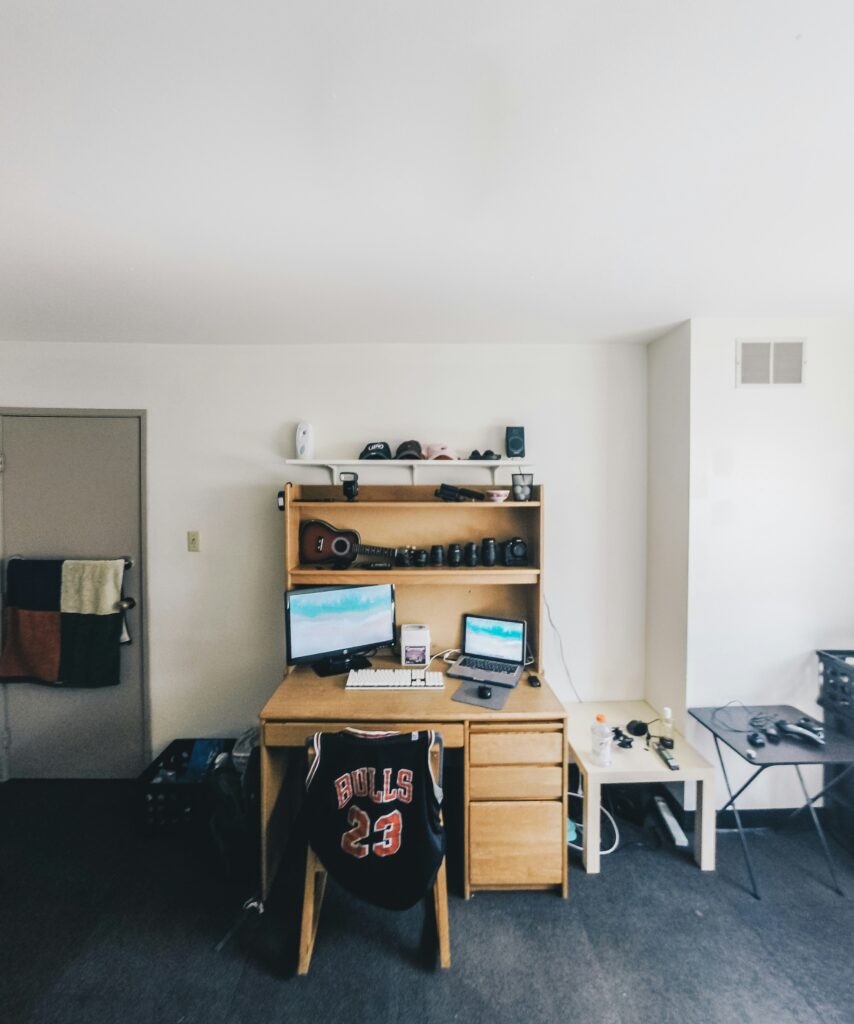
Smart Choices for Easier Dorm Living
Showing up ahead of schedule can help. Parking fills fast, so being there sooner leaves better spots open. Elevators stay busy later, but earlier means fewer people waiting. Extra hours at the start give space to settle in without rushing.
Mark each container with its contents using clear handwriting. That way, locating holiday decorations or winter gear takes less time. A quick glance saves digging through multiple boxes later on.
Start saving scanned versions of key papers so you have them if originals go missing. When paper gets lost, having files online helps. Think twice about relying only on hard copies – digital saves time later. If a folder vanishes, your backup might be waiting on a drive. Never assume nothing will happen to paperwork; prepare another way. Lose the receipt? Check your phone. Stored right, electronic duplicates fix small disasters fast.
Keep a small first-aid kit in your room for minor injuries and common illnesses.
Besides today’s kitchen, think ahead to tomorrow’s place when picking storage bins. These same ones might fit neatly on shelves years later. Durable materials handle moves better than disposable options. Long after college ends, they still serve a purpose. Graduation day won’t make them obsolete. Reuse beats replacing every time.
Weeks ahead of getting there, look over your school’s move-in details to check which devices are allowed and how big the rooms are.
Comparison: Packing Too Much vs.
Packing Smart
Pile too much into boxes? Space gets messy. Stuff spreads out when you shift homes. Getting around feels heavier that way. Costs climb without notice. Clever packing trims those fees. Same gadgets appear twice – waste piles up. Choose tools that do more than one job. Order fades fast if systems lack shape. Rooms breathe better when cleared. Function suffers under chaos. Smooth days come from smarter choices
Most students find things easier when they care more about usefulness than how much stuff they have. A tidy space often comes from choosing what works over what just fills room.
Frequently Asked Questions
Among everything packed for campus life, one thing stands out above the rest.
A good night’s rest begins with the right sheets – especially when those are sized twin xl. Sleep that feels supportive tends to boost focus during lectures, plus steady energy through long study sessions. Rest matters more than many admit, particularly for students balancing tight schedules. When bedding fits well, tossing and turning slows down. Bodies unwind easier. Minds recharge better overnight. Health gains pile up quietly over weeks of solid sleep.
Should I buy everything before moving into my dorm?
Hold off. Start with just the basics, later add things once you’re settled in your space.
How Much Clothing To Bring?
Packing for around fourteen days should cover it. Since washers pop up across most school grounds, hauling too much clothes misses the point
.
Do colleges provide cleaning supplies?
Living on campus usually means handling your own mess. Cleaning supplies? Bring them yourself. Most college dorm checklist won’t provide soap, wipes, or sprays. You keep it tidy – that part falls on you.
Is a mini refrigerator necessary?
A small fridge can be handy even though it is not mandatory. Some learners keep one nearby for juice, quick bites, or extra food after meals. It helps most when dorm rules say yes.
How can I save space in a dorm room?
Slide things upward instead of spreading out – try tall shelves first. Tuck flat boxes beneath your mattress where empty space sits unused. Pile plastic trays on top of one another near walls. Hang fabric racks inside wardrobe frames to split clutter. Pick a bench that opens up like a box when you need hidden spots.
Conclusion
Preparing for college doesn’t have to be stressful when you have a well-organized college dorm checklist When basics come first, clutter stays away. Sharing plans with your roommate prevents extra loads of similar stuff. Rules from housing guide what fits and what must stay behind. Smart picks save floor area plus peace of mind later. Little choices shape how well the room works each morning. Comfort grows where function leads without fuss.
Picture this: less stuff means more room to breathe. Packing wisely clears clutter, saves money, leaves stress behind. When school settles in, habits shift – bring what matters now, change later if needed. Start simple. Let real days shape what stays or goes. Soon enough, campus feels like home without extra weight holding it down.