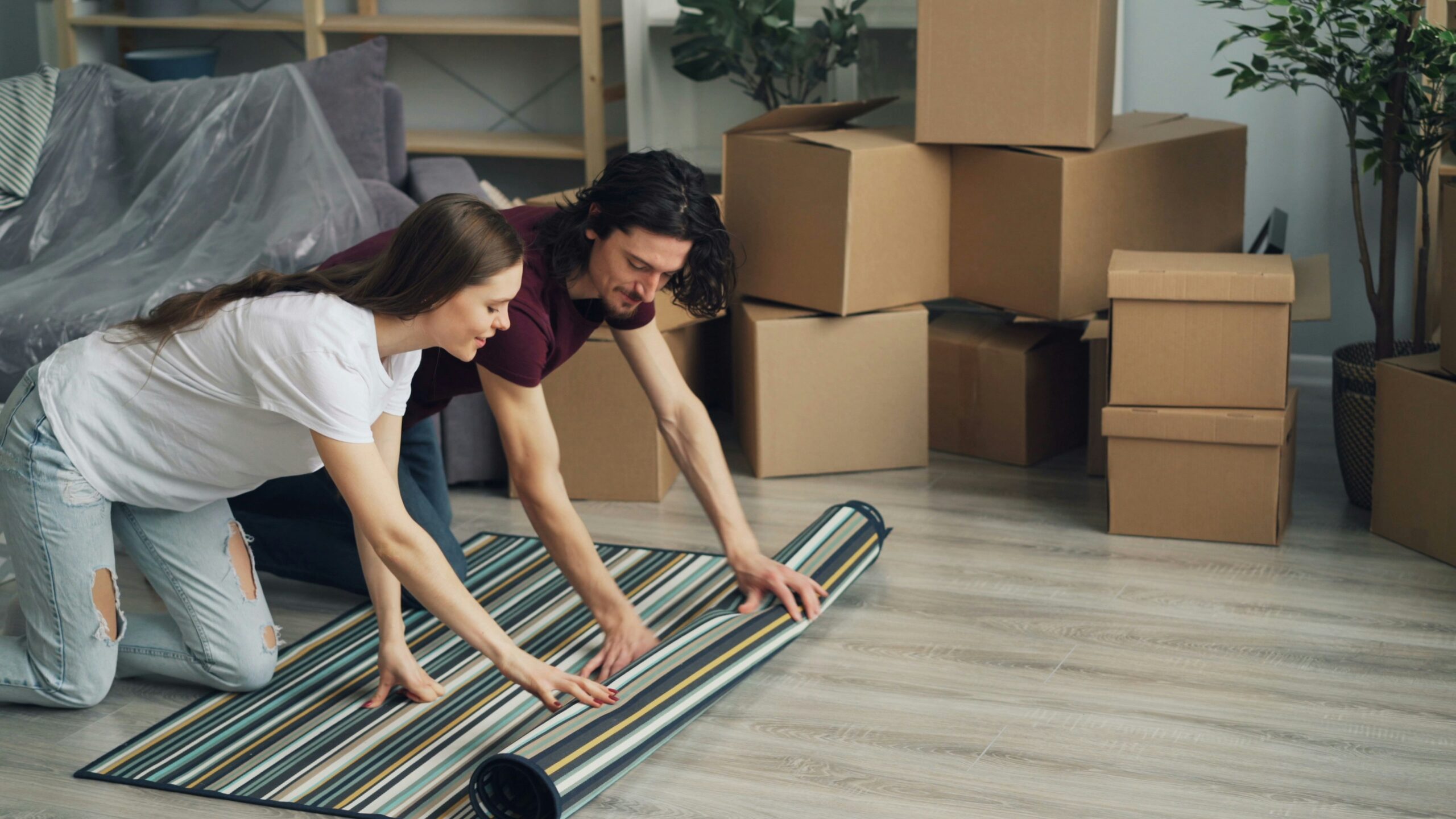
When preparing to move house, it is important to consider what can be packed away first. As a general rule of thumb, the first items to pack are those that are not used on a regular basis. This may include spare linen, books, decorative items, seasonal clothing, keepsakes, extra kitchenware, tools, garage items and anything stored in cupboards.
Avoid Leaving Packing Until the Last Minute
One of the most common moving mistakes is waiting until the final days to start packing. It can leave you feeling rushed and disorganised. Instead, think about what should be packed first and begin in those early stages. You will find that you are able to work more steadily as you approach the big day.
Declutter Before You Begin Packing
Before you start packing, you should take the opportunity to sort through your belongings and declutter. It is a perfect time to be ruthless and honest about what you really want to bring with you to your new home. Go room by room and sort items into piles of keep, donate, recycle or throw away.
Start with Storage Areas
After you have finished decluttering, think about storage areas that are relatively easy to pack first. These are perfect for a good start at the beginning of your move.
Begin with Easy-to-Pack Spaces
Packing can be a long process so it is good to begin with easy areas. You can even start in your garage or shed, if you have one.
Pack Books Early
Other non-essentials that are good to tackle early on in your move include books. Most people will not need immediate access to their book collection in the weeks, or even months, leading up to their move. Books can also be quite heavy so it is a good idea to pack them in smaller boxes or use strong moving crates to pack them in bundles.
Pack Decorative Items
Decorative items should also be packed away early on in your move. This includes photo frames, vases, candles, ornaments, sculpture, art displays, décor and any other items that are used mainly for display.
Clear Display Items to Create Space
They usually hold little or no practical value so it is a good idea to pack them early on so you can begin to see the empty space as you begin to move.
Pack Seasonal Items First
It is also a good idea to think about seasonal items and start with these when you are packing. If you are moving in summer, start with your winter clothes, blankets and heater. If you are moving in winter, start with your summer towels, clothes, fans and cushion. Any items that you know you will not need in the current season can be packed well in advance.
Pack Spare Linen
Spare linen is also an easy category to start your packing with. Set aside the bed linen and towels you will need to use on a regular basis and a few spares on the side, if you need them. Everything else can be packed away as you prepare to move. This category includes guest towels, extra sheets, spare doonas, blankets, cushion covers and tablecloths.
Pack Bulky Linen Early
Linen tends to be fairly light but it can also be bulky so it is a good idea to get it out the way early on.
Pro Tip
Pro Tip:
Using Green Crates makes it easier, faster, cheaper, safer, more convenient and better for the environment.
Pack the Garage, Shed and Storage Areas
The garage, shed or storage area should not be left until the end of your move. Many people find that this area takes much longer than expected, especially if you have a number of tools, sporting equipment, garden tools and storage boxes to deal with.
Sort and Pack Garage Items
Start by throwing away or donating any broken or redundant items in this area so you can streamline the sorting process. Start with the garage, then the shed or storage area, if you have one.
Pack any items that you will not need before the move, such as camping gear, spare tools, paint, outdoor decorations or seasonal sporting equipment.
Pack Extra Kitchen Items
Packing kitchen items can be challenging, considering how many people use these areas every day. The good news is that you can still start with certain kitchen items early on in your move. You can begin by packing serving platters, extra mugs, baking trays, your special occasion dinner set, wine glasses, spare containers, rarely used appliances and cookbooks.
Only leave out the bare essentials you will need for simple meals in the final week or two. This will make the overall packing process easier and faster.
Pack Formal Dining Items
Dining items are similar to kitchen items in that they tend to be used less frequently. Formal dining sets, glassware, table runners, bowls for serving or any items used for formal meals or entertaining can be packed earlier on in your move. Formal items are often delicate so try to set aside extra time to carefully pack these to avoid any breakages, rather than trying to rush everything at the end.
Pack Spare Rooms in Advance
Spare rooms are another category that can be packed earlier on in your move. Guest bedrooms, home offices, storage rooms or any other area that you do not use on a regular basis can be packed well in advance. If you are able to completely empty and pack up an entire room, it is a great way to begin as it can leave you with a sense of accomplishment and help relieve some of the stress that comes with moving house. Make sure you leave the main items in these rooms until closer to your move so you have everything you need readily available.
Pack Non-Essential Home Office Items
Home office items are another category that you can pack early on in your move. Start with old paperwork, spare stationery, books, chargers, equipment, file folders and any other items that are not essential to your day to day work. Ensure that any important paperwork is kept separate to your other items and save laptops, chargers and any other work related essentials until closer to your move. You may also want to keep any personal paperwork in your possession rather than putting it in the moving van, simply because it is important to you.
Pack Extra Toys
Toys can also be a great category to start with, if you have any young ones in your family.
Leave out a few of their favourite toys and books, while packing up the rest. It can lighten up the room before your move and give your kids something familiar to play with. If they are old enough to understand what is happening, you can even let them help you to decide what to leave out and what to pack up.
Pack Clothes You Don’t Currently Wear
Clothes can be one of the biggest challenges when you are first starting to pack. To make it easier, simply begin with clothes that you do not currently wear. This includes fancy dresses, out-of-season clothing, spares shoes, extra bags and accessories.
Only leave out the clothes you wear on a regular basis and pack the rest. Alternatively, keep enough clothes for one or two weeks and simply pack the rest away.
Label Every Box Clearly
As you pack, make sure to clearly label everything so removalists know where each box, bag or crate goes.
Labeling will assist you to keep track of everything and ensure the items are placed in the correct rooms at your new place.
Choose Strong Packing Materials
It is also a good idea to think about the type of packing materials you use. Weak cardboard boxes can easily crush or buckle when packed with heavier items. Stronger moving crates are a great alternative to traditional boxes and can also be used for a variety of items, including books, kitchenware, linen, toys and office supplies.
Pack Everyday Essentials Last
The final items you should pack are those that you use on a daily basis. These usually include toiletries, medication, phone chargers, essential kitchen items, work clothes, school items, pet supplies, cleaning products and anything else you will need on the day of your move. These should only be packed closer to your big day.
Prepare a First-Night Essentials Box
The second to last items you should pack are your essentials for the first night in your new home. This can include toilet paper, soap, towels, pyjamas, snacks, chargers, medication, cleaning spray, a change of clothes, important paperwork and any other items you will need.
You should always keep this in a separate bag or crate so it does not get lost among the other items during the move.
Focus on Items You Use the Least
The best strategy when it comes to determining what to pack first is to think about what you use the least.
It is always a good idea to leave your everyday essentials until last. Some examples of items that are perfect to begin with include storage areas, books, decorative items, seasonal clothing, spare linen, garage or shed items, spare rooms, extra kitchen items, office supplies, toys and clothes. Once these are packed, you can then move on to everyday items and essential kitchenware, bathroom items and bedroom essentials.
Conclusion
By thinking about what to pack first, you can make the entire process of preparing to move much easier.
Rather than trying to rush everything at the end, you can slowly work through your home, room by room, and complete everything in good time as you begin to approach your big day.